Atlanta's #1 Property Restoration Company
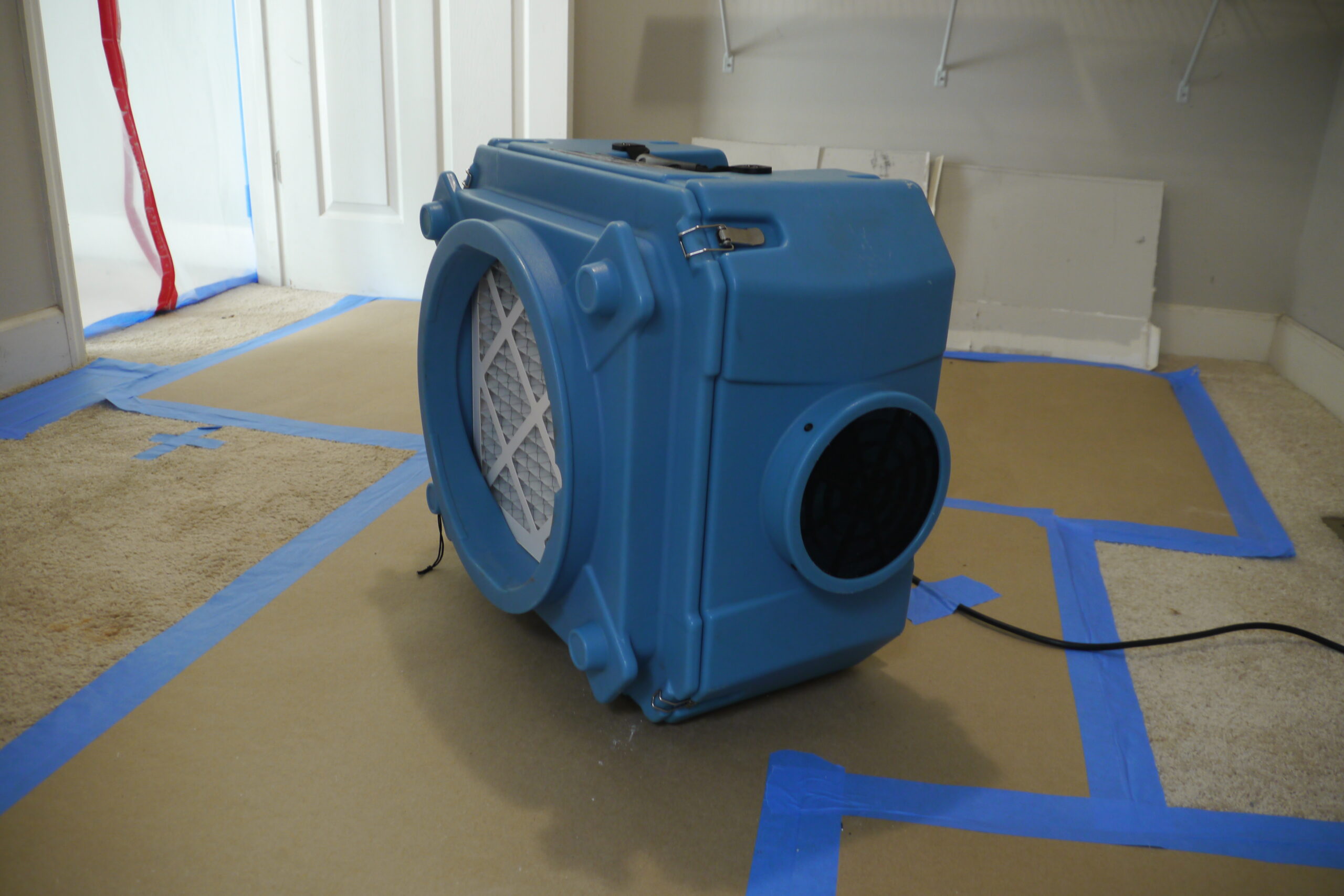
Water damage can happen suddenly, whether from a burst pipe, storm flooding, or a leaking roof. When it does, homeowners often ask one critical question: how long does it take to fix water damage? The answer depends on the extent of the damage, the materials affected, and the specific equipment required for the water damage mitigation process.
In this guide from Rescue Restoration, we’ll break down the water damage restoration timeline, the key phases of cleanup and repair, and the factors that influence how long it takes to recover your property entirely.
Immediate Response
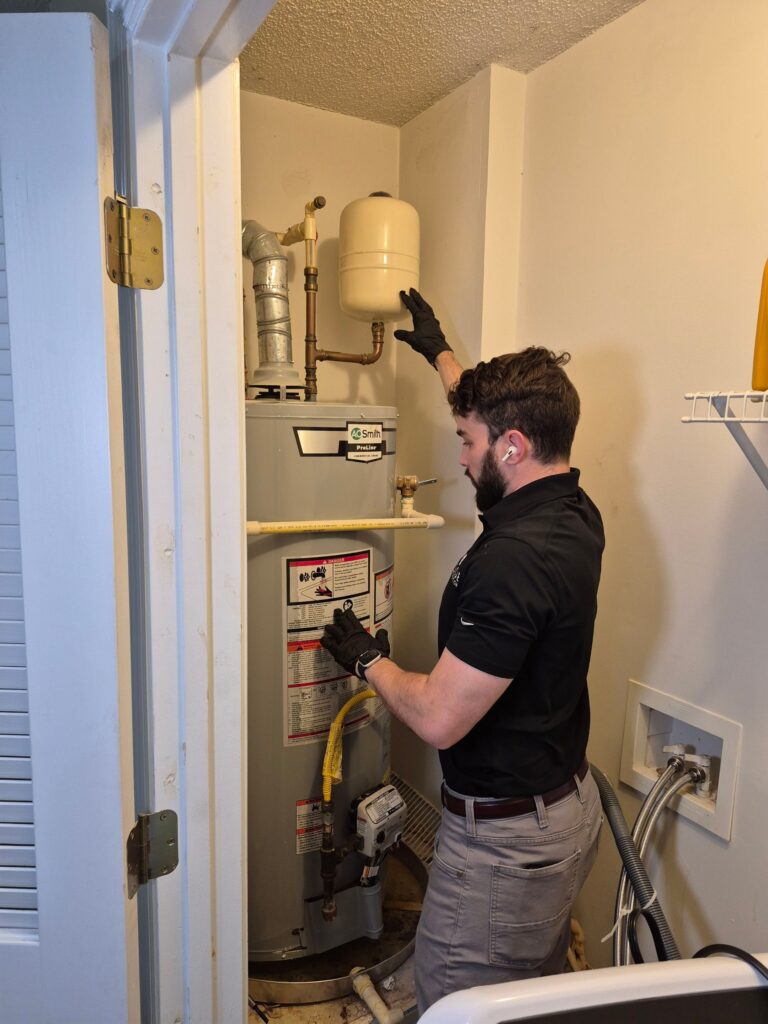
Acting quickly can make the difference between minor repairs and extensive, costly restoration. During this period, professional teams typically focus on:
- Inspection & Assessment: Identifying the source of water, categorizing the type (clean, gray, or black water), and mapping out the affected areas.
- Water Extraction: Using pumps and vacuums to remove standing water from floors, carpets, and crawl spaces.
- Drying Setup: Installing industrial fans, dehumidifiers, and air movers to start the structural drying process.
This process is completed on the first day.
Demo & Drying: 2–7+ Days
Once standing water is gone, the next focus is thorough drying. Even when surfaces look dry, moisture often remains trapped in walls, subfloors, and insulation. If not removed, this can cause secondary damages, such as mold growth, structural weakening, and wood rot.
The drying process typically includes:
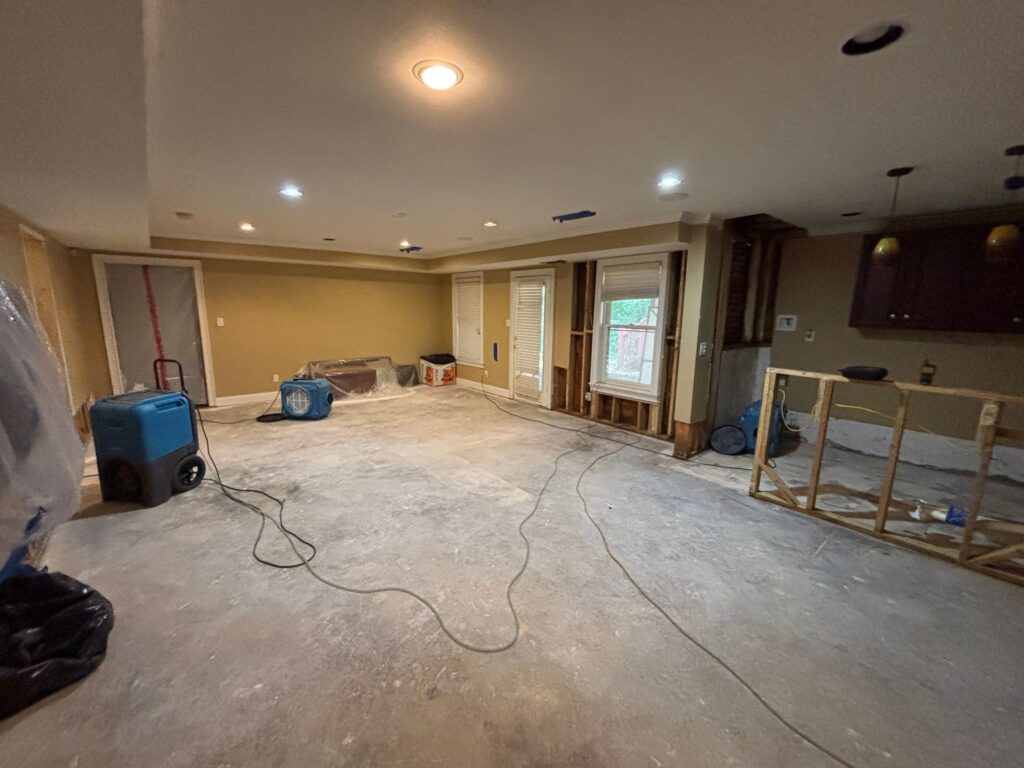
- Demoing unsalvageable materials.
- Using professional-grade dehumidifiers and air movers to remove excess humidity.
- Monitoring moisture levels and adjusting airflow to ensure areas are thoroughly dried.
Depending on the conditions, this phase may last between 2 and 7+ days. Homes with multiple floors, older materials, or limited ventilation may require longer mitigation times.
Repair & Reconstruction: 1–4 Weeks
The final phase is repairing and restoring damaged materials. This is where the timeline can vary most widely. Factors include:
- Minor Repairs (1–7 days): Repainting, patching drywall, replacing carpet or flooring in small areas.
- Moderate Repairs (1–2 weeks): Replacing insulation, drywall, subfloors, and structural elements.
- Major Reconstruction (2–4 weeks or more): If water damage spreads through multiple rooms, compromises the foundation, or weakens structural supports, full reconstruction may be required.
Factors That Affect the Restoration Timeline
Every case of water damage is different. Here are the most significant variables that impact how long it takes to fix water damage:
- Type of Water Involved
- Clean water (from supply lines) is easier to extract and dry.
- Gray water requires sanitizing and adds time.
- Black water is hazardous and requires extensive cleaning and removal of contaminated materials.
- Clean water (from supply lines) is easier to extract and dry.
- Extent of the Damage A single wet carpet dries faster than a flooded basement or multi-story leak.
- Materials Affected Drywall, wood, and insulation absorb moisture deeply, extending drying times. Non-porous materials like tile or metal can be dried and retained.
- Secondary Damages Mold growth, structural weakening, or hidden seepage into crawl spaces can add days or even weeks to the restoration.
- Professional Response Time The sooner mitigation begins, the shorter the overall timeline will be. Waiting even a few days can allow water to spread, doubling the repair scope.
Sample Timeline: From Start to Finish
Here’s an example of a typical water damage restoration timeline:
- Day 1: Emergency response, inspection, water extraction.
- Day 2–7+: Drying and dehumidification.
- Day 8–9: Cleaning and sanitizing.
- Day 10–30: Repairs and reconstruction, depending on severity.
In total, minor water damage can be resolved in about a week, while significant structural damage may take a month or more.
Preventing Additional Water Damage
Restoration is only part of the process; moisture management is equally important. To reduce the risk of recurring damage:
- Inspect plumbing regularly for leaks.
- Maintain your roof and gutters to prevent water intrusion.
- Install a sump pump in basements or crawl spaces.
- Ensure proper ventilation to avoid moisture buildup.
- Address small leaks immediately before they escalate.
Conclusion
So, how long does it take to fix water damage? The answer depends on severity, but most homeowners can expect anywhere from one week to one month. Understanding the steps of the water damage mitigation process and the typical water damage restoration timeline helps set realistic expectations and highlights the importance of prompt action.
If your property has experienced water damage, don’t wait. Contact a professional restoration company immediately to minimize downtime, reduce costs, and restore your home safely.
FAQs
1. Can I fix water damage myself?
For minor spills, DIY drying may work. However, professional mitigation is strongly recommended for most incidents to prevent secondary damages such as structural decay and mold growth.
2. Will insurance cover the restoration timeline?
Most homeowners’ policies cover sudden AND accidental water damage (like burst pipes). Failure to act immediately, however, will cause your claim to be denied.
3. How soon can I move back in after water damage?
Once drying and sanitization are complete, some areas may be safe. However, full re-occupancy depends on the extent of repairs.
