Atlanta's #1 Property Restoration Company
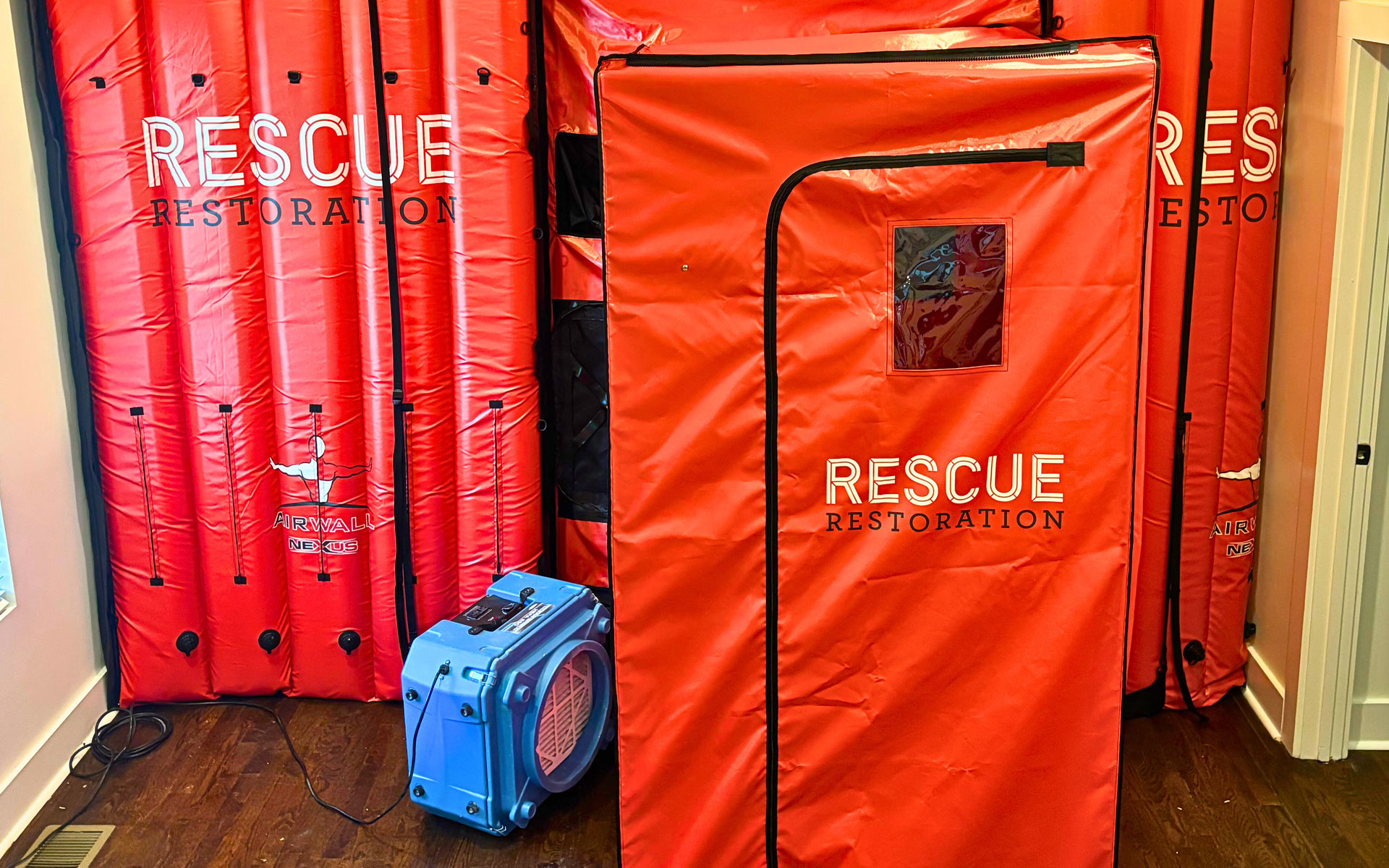
When homeowners face water damage or mold concerns, they’re suddenly introduced to a world of unfamiliar acronyms. One of the most common questions we hear is: What is the IICRC? It is followed closely by questions about certifications and specific standards like S500 and S520.At Rescue Restoration, we believe homeowners deserve clear explanations, not industry jargon. This guide explains what the IICRC is, how IICRC certification works, and why the S500 and S520 standards matter when restoring your home after water damage or mold exposure.
IICRC Certification Explained
To answer the core question, what is the IICRC, the IICRC (Institute of Inspection, Cleaning and Restoration Certification) is a global standards-setting organization for the cleaning and restoration industries.
The IICRC does not perform restoration work. Instead, it:
- Develops industry-wide standards
- Provides training and certification for restoration professionals
- Establishes ethical guidelines and best practices
Its standards are widely recognized by insurance carriers, adjusters, and restoration professionals as the baseline for proper water damage restoration and mold remediation.
A significant point of confusion for homeowners is IICRC certification, explained in plain terms.
IICRC certification applies to individual technicians and companies. To become certified, a technician must:
- Complete approved training
- Pass a proctored exam
- Maintain continuing education
- Adhere to the IICRC Code of Ethics
To become a certified firm, companies must:
- Maintain current liability insurance
- Employ at least one active Certified Technician
- Meet administrative requirements
Standard certifications include Water Damage Restoration Technician (WRT), Applied Structural Drying (ASD), and Applied Microbial Remediation Technician (AMRT).
While certification is essential, it’s only effective when paired with experience, judgment, and a commitment to doing the job thoroughly rather than quickly.
What Is IICRC Certified and What Isn’t?
Homeowners often ask what is IICRC certified: the company or the technician?
Here’s the distinction:
- Technicians earn certifications
- Companies may be IICRC-certified if they employ certified technicians and meet administrative requirements
A company advertising itself as IICRC certified should be able to clearly explain who on the job site holds certifications and how those standards will be applied to your specific restoration project.At Rescue Restoration, transparency matters. We explain not just that standards are followed, but how they apply to your home.
IICRC Standards Overview
An IICRC standards overview helps homeowners understand why these guidelines exist.
IICRC standards are consensus-based documents developed by industry experts, scientists, and practitioners. They outline best practices for:
- Safety
- Documentation
- Equipment usage
- Drying and remediation procedures
- Verification and clearance
Two of the most essential standards for homeowners dealing with water and mold property damage are S500 and S520.
The IICRC S500 Standard: Water Damage Restoration
The IICRC S500 is the industry standard for professional water damage restoration. It provides a framework for restoring structures and contents affected by water intrusion.
What the S500 Covers
The S500 addresses:
- Categories of water (clean, gray, and black water)
- Classes of water damage based on absorption and evaporation difficulty
- Proper assessment and moisture mapping
- Equipment placement and drying strategies
- Monitoring and verification of drying progress
In practice, S500 emphasizes drying with intent, not just removing visible water.
Why S500 Matters to Homeowners
Following the S500 standard helps:
- Prevent secondary damage like mold growth
- Reduce long-term structural issues
- Provide documentation often required by insurance
- Ensure materials are dried to appropriate levels before repairs begin
Because Rescue Restoration’s owner combines a general contracting background with IICRC certifications, we understand how water affects framing, subfloors, drywall, and insulation, not just surface materials. That construction knowledge is critical to applying S500 correctly.
The IICRC S520 Standard: Mold Remediation
The IICRC S520 is the standard and reference guide for professional mold remediation. It’s often misunderstood and frequently oversimplified by contractors who treat mold like a one-size-fits-all problem.
What the S520 Covers
S520 provides guidance on:
- When mold remediation is necessary
- Levels of contamination
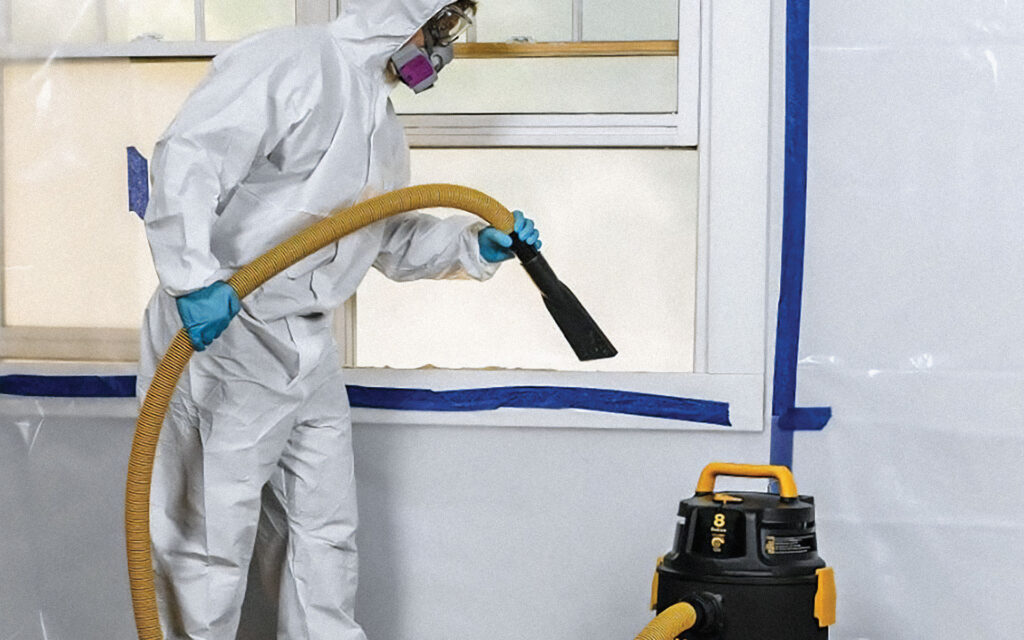
- Proper containment methods
- Air filtration and pressure control
- Cleaning versus removal of materials
- Post-remediation verification concepts
It emphasizes that mold remediation is about correcting the underlying moisture problem, not just removing visible mold.
How S500 and S520 Work Together
One of the most important things homeowners should understand is how S500 and S520 relate to each other.
- S500 focuses on drying and restoring water-damaged materials
- S520 focuses on safely addressing mold contamination when it’s present
In many real-world situations, water damage and mold overlap. If drying is delayed or incomplete, a project may shift from an S500-guided water restoration job to one that also requires S520 mold remediation principles.
This is where experience matters. Knowing when and how to transition between drying and remediation can prevent unnecessary demolition or future health concerns.
IICRC Guidelines for Restoration Companies
The IICRC guidelines for restoration companies extend beyond technical steps. They emphasize professionalism, documentation, and communication.
Key expectations include:
- Accurate moisture and condition documentation
- Clear communication with homeowners and insurers
- Proper safety and containment practices
- Ongoing education and training
While national franchises often reference these guidelines, owner-led IICRC Certified Firms like Rescue Restoration are usually better positioned to apply them thoughtfully, without rushing or losing management oversight.
Certification Is a Baseline, Not a Guarantee
A common misconception is that IICRC certification guarantees quality. In reality, certification establishes a minimum standard, not a promise of excellence.
True quality restoration comes from:
- Applying S500 and S520 correctly
- Understanding building construction
- Educating homeowners
- Taking the time to do the job right
At Rescue Restoration, we view standards as a foundation, not a marketing slogan.
How IICRC Standards Protect Homeowners
When properly followed, IICRC standards help protect homeowners by:
- Reducing the risk of mold growth after water damage
- Supporting insurance claims with proper documentation
- Ensuring restoration decisions are based on science, not guesswork
- Promoting accountability throughout the project
These standards exist to make restoration safer, more predictable, and more transparent for homeowners.
Do You Need an IICRC-Guided Restoration Company?
Not every situation requires the same approach, but water damage and mold concerns benefit greatly from professionals who understand IICRC standards, especially S500 and S520.
Rescue Restoration takes a white-glove, customer-focused, education-first approach. We don’t overwhelm homeowners with acronyms. We explain what applies, what doesn’t, and why, so you can make confident decisions about your home.
Speak With an Expert About S500, S520, and Restoration Standards
If you’re dealing with water damage, concerned about mold, or simply want clarity on restoration standards, Rescue Restoration is here to help.Contact us to learn more, or call us to schedule an appointment to discuss your situation and how professional standards like S500 and S520 can help protect your home, now and in the future.
