Atlanta's #1 Property Restoration Company
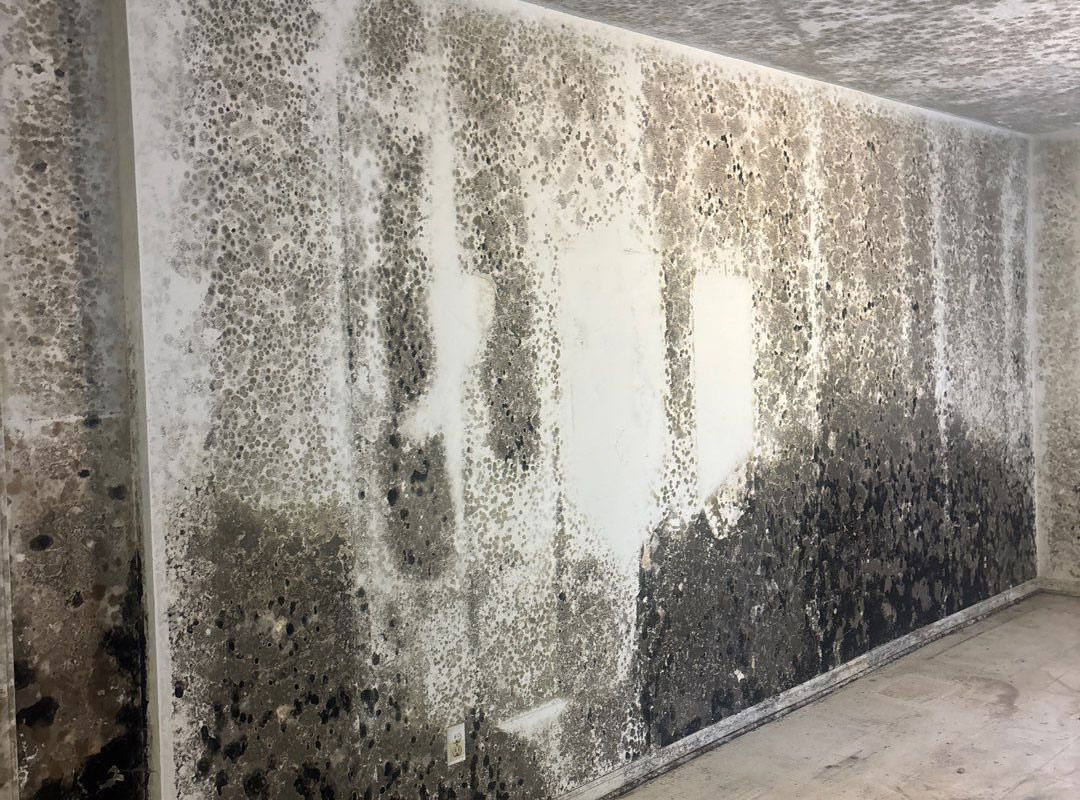
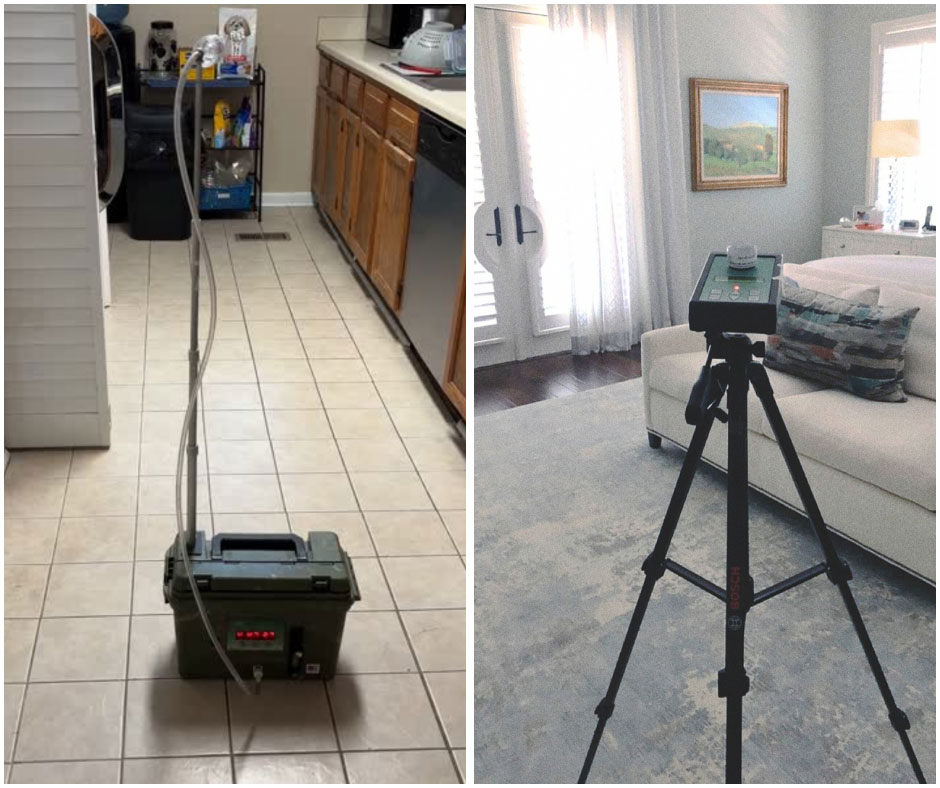
When homeowners think about protecting their property, they often focus on visible issues: roof damage, standing water, or cracked foundations. But some of the most common threats to a home (and to your health) are invisible or barely detectable. Poor indoor air quality can affect how you feel every day and may signal deeper issues, such as moisture intrusion or hidden mold growth. That’s where air quality tests come in.
At Rescue Restoration, we often meet homeowners who ask: What is an air quality test? How do you read air quality results? And do I need an air quality test for my home? This guide breaks down everything you need to know, clearly, honestly, and without any misinformation.
What Is an Air Quality Test?
A common question we hear is: What is an air quality test? The answer is more straightforward than many people expect.
Air testing is the first step of the mold remediation process as set out in the IICRC S520. It helps identify the presence of mold contamination and gives technicians a road map to restore your home.
These tests are critical when there is suspected mold contamination or when homeowners experience unverified allergy symptoms or unexplained respiratory issues in combination with signs of hidden mold such as musty odors.
Professional air quality tests may look for:
- Mold spores (both visible and hidden)
- Elevated humidity levels
- Volatile organic compounds (VOCs)
- Dust, pollen, and other airborne particles
Unlike DIY test kits, professional testing evaluates not just what is present but also where it appears and why it’s there, which is critical if remediation is needed.
Why Air Quality Testing Matters
Water damage is the main cause of indoor mold growth. Even a small leak can introduce enough moisture to allow mold to develop behind walls, under flooring, or in crawl spaces.
At Rescue Restoration, mold remediation is a significant service area, and we often recommend air quality testing for mold under the following circumstances:
- Unexplained health symptoms
- Musty or damp odors
- To create air quality baseline
- Visible signs of mold contamination
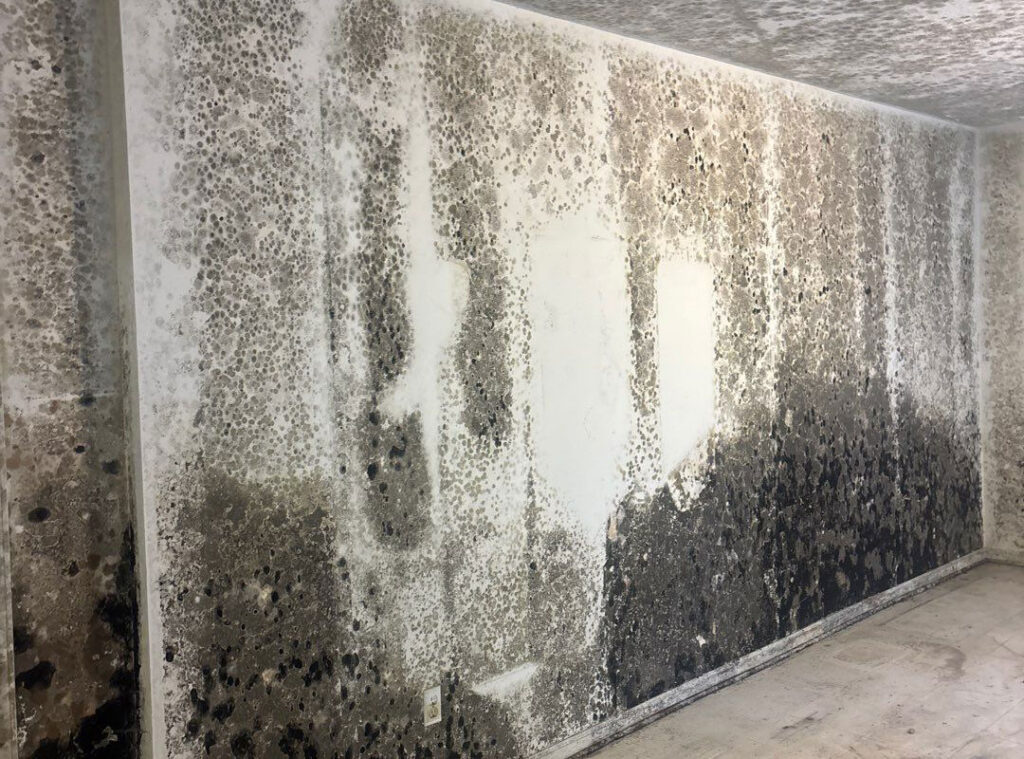
Mold doesn’t always announce itself visually. Air quality tests can detect mold spores in the air before growth becomes visible–helping homeowners act early and before health issues or major structural repairs are required.
Air Quality Testing for Mold: What It Really Tells You
One of the most misunderstood services in the industry is air quality testing for mold. There’s a lot of misinformation out there, and not all testing is created equal.
A proper mold-related air quality test takes indoor and outdoor samples to produce a report showing type and quantity of mold.
A comparison of indoor and outdoor air helps determine whether mold levels inside the home exceed those naturally present outdoors.
What these tests can reveal:
- Whether mold spores are circulating indoors
- The type of mold present
- The quantity or amount of mold spores present
- Provide clues on what led to the mold contamination
- How to fix and prevent the issue
What they don’t do:
- Resolve the issue without professional remediation
- Replace a physical inspection
- Identify the exact location of hidden mold without further investigation
That’s where experience matters. As an IICRC and MICRO certified firm, we understand how to apply findings from air quality tests to safely and effectively remediate mold-contaminated properties.
How Do You Read Air Quality Index Results?
Homeowners frequently ask how to read air quality index data, especially when they receive lab results or monitoring reports. While some air quality data is simplified into numerical scores, professional testing reports are more detailed.
Here’s a general breakdown of how to interpret results:
1. Spore Counts
Mold results are typically reported as spores per cubic meter of air. Elevated indoor counts compared to outdoor samples can indicate an indoor mold source.
2. Mold Types
Certain mold types are more closely associated with water damage. Seeing these indoors, especially at higher levels, can signal an active moisture problem.
3. Context Matters
No single number tells the whole story. Reading air quality results requires understanding of building materials, water damage, and humidity levels.
This is why Rescue Restoration takes a consultative approach. We don’t just hand over lab results; we explain what they mean for your specific home and situation and how they help guide us to restore your home.
Do I Need an Air Quality Test?
Another common question is, ” Do I need an air quality test?, and the honest answer is: not everyone does, but many homeowners benefit from one.
You may want to consider air quality testing if:
- You suspect you have mold
- You notice persistent musty odors
- Family members experience unexplained allergies or respiratory symptoms
- You’re buying or selling a home
- You’ve completed mold remediation and want confirmation that the environment is safe
For homeowners with insurance, air quality testing is sometimes part of a proactive documentation process, helping support claims and remediation decisions.
Air Quality Tests and Crawl Spaces
Damaged crawl spaces are a major contributor to poor indoor air quality. Moisture, standing water, and organic materials create ideal conditions for mold growth, which can then travel upward into living spaces. Air tests, however, are typically not performed in crawl spaces. Given the presence of vents, an air test in the crawl space effectively tests outside air. This is where air quality tests in living areas combined with crawl space inspections can be an effective tool.
Together they can reveal:
- The presence of mold in crawl spaces
- Whether mold spores from below are entering the home
- If humidity control measures, vapor barriers, or encapsulation can improve indoor air quality
Because Rescue Restoration handles both crawl space repairs and mold remediation, we’re able to connect the dots between air quality issues and restoration solutions.
Professional Third Party Air Testing vs. DIY Air Quality Kits
DIY air quality kits can seem appealing, but they often create more confusion than clarity. One key distinction is how they are performed and what they test. At home kits test surfaces using a swab. Air quality tests evaluate the air itself using professional-grade equipment. Surface tests can help identify surface mold, but cannot determine if mold spores are floating around in the air. Many homeowners come to us after receiving alarming results from kits that lack context or accuracy.
Professional third party air testing offers:
- Proper sampling methods
- Professional-grade testing equipment
- Lab analysis with outdoor comparisons
- Expert interpretation and evaluation
- Actionable next steps
A third party test is crucial to introduce accountability into the process. Many restoration companies conduct their own air tests, leaving homeowners without an impartial service to verify the results. This is akin to taking a test and grading your own paper.
With Rescue Restoration, the focus is never on fear-based selling. The goal is education, transparency, and helping homeowners make informed decisions.
How Air Quality Testing Fits Into Full-Service Restoration
Rescue Restoration believes in showing homeowners the whole picture. Air quality testing is often just one part of a broader solution that may include:
- Mold remediation (when necessary)
- Source correction of water damage
- Structural drying and moisture control
- Crawl space repairs or improvements
Speak With an Expert About Air Quality Tests
If you’re concerned about the air quality in your home, or you suspect you have mold contamination, air quality tests can provide valuable insight when done correctly.
Rescue Restoration serves Atlanta-area homeowners with an approach that prioritizes transparency, education, honesty, and thoroughness. Whether you need answers, testing, or a next-step solution, our team is here to help.Contact our team for an appointment, or call today to speak with an expert and learn more about air quality testing and how it supports protecting your home and your health.
