Atlanta's #1 Property Restoration Company
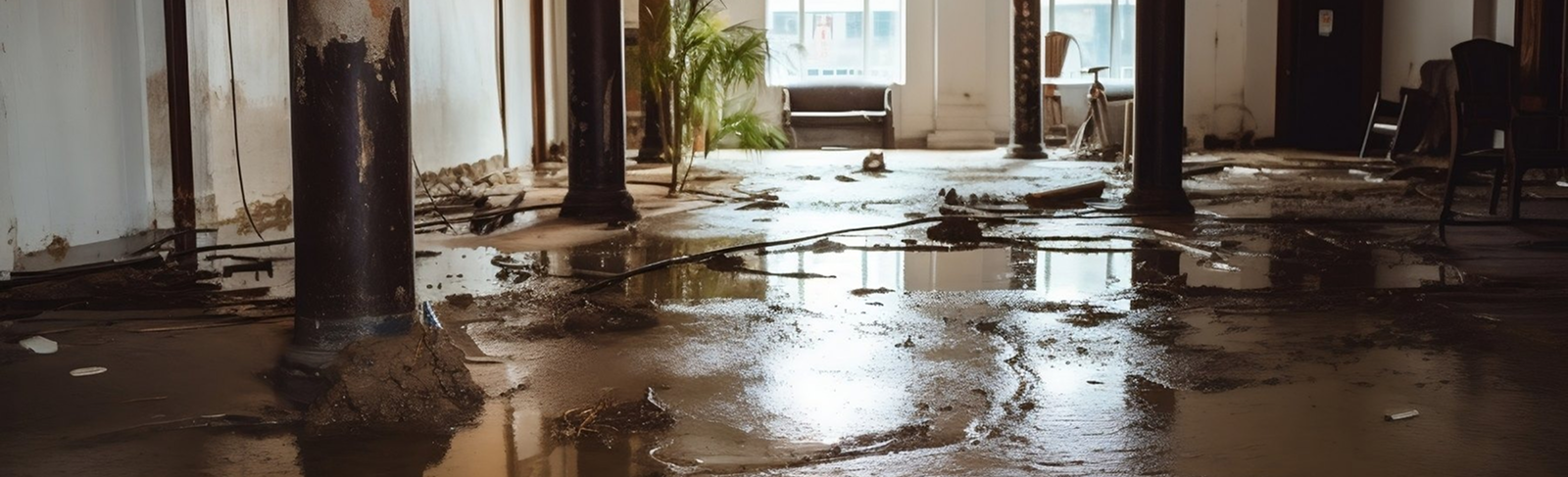
The Situation: A Toilet Backup That Spread Through Multiple Levels
Toilet backups are among the most stressful emergencies homeowners face. Unlike clean water leaks, they introduce water contamination issues in the bathroom, which can quickly spread throughout the home.
In this case, an upstairs toilet in a children’s bathroom overflowed unexpectedly. What began as a bathroom incident quickly escalated into a larger restoration challenge.
Water flowed from the bathroom into adjacent rooms before seeping through the ceiling and reaching the main level below. As gravity carried the water downward, it eventually made its way into the home’s crawl space.
When water crosses multiple levels of a home, the damage can affect:
- Flooring materials
- Subfloor and framing
- Drywall and insulation
- Ceiling structures
- Crawl spaces
Without a rapid response, these conditions can quickly lead to microbial growth and structural damage.
Why This Was a Gray Water Emergency
Not all water damage is the same. Restoration professionals classify water losses based on contamination levels.
This incident involved gray water, which is categorized as Category 2 water.
Gray water typically contains contaminants and microorganisms that can pose health risks. In toilet backup situations, the water may contain bacteria, organic matter, and other contaminants, making immediate cleanup essential.
Because gray water contamination can worsen quickly, the response must be both fast and specialized.
In this case, Rescue Restoration began mitigation immediately to reduce risks to the family and prevent further contamination.
Protecting the Family During the Restoration
One of the priorities during this project was protecting the occupants while restoration work was underway.
A member of the household worked from home, making it important for the mitigation process to minimize disruption while still thoroughly addressing the contamination.
Rescue Restoration coordinated the work carefully, ensuring the family remained safe while the team completed the necessary mitigation steps.
This kind of white-glove service and attention to homeowners’ needs is part of what sets smaller, hands-on restoration companies apart from larger national chains.
The Inspection and Restoration Plan
Before beginning demolition or drying, Rescue Restoration assessed how far the water had traveled and which materials were affected.
- Water had moved through:
- The upstairs bathroom floor
- Adjacent rooms
- The main-floor ceiling
- Structural areas beneath the tub
- The crawl space below the home
Because water had traveled vertically through the structure, the team developed a full mitigation plan designed to address contamination at every level.
This plan followed IICRC S500 guidelines, the industry standard for professional water damage restoration.
The Inspection and Restoration Plan
Before beginning demolition or drying, Rescue Restoration assessed how far the water had traveled and which materials were affected.
Water had moved through:
- The upstairs bathroom floor
- Adjacent rooms
- The main-floor ceiling
- Structural areas beneath the tub
- The crawl space below the home
Because water had traveled vertically through the structure, the team developed a full mitigation plan designed to address contamination at every level.
This plan followed IICRC S500 guidelines, the industry standard for professional water damage restoration.
The Water Restoration Process
With the scope of the damage identified, Rescue Restoration began the structured water restoration process required to stabilize the home and begin drying.
Removing Contaminated Fixtures and Materials
The first step was removing items that had been directly exposed to gray water contamination.
The team carefully removed:
- The toilet fixture
- Bathroom tile flooring
- The bathroom vanity
Removing these materials allowed technicians to access areas where contaminated water had spread beneath surfaces.
Demolition of Water-Damaged Materials
When gray water is involved, porous and semi-porous materials cannot be safely cleaned and must be removed.
Rescue Restoration carefully removed affected building materials, including:
- Hardwood flooring
- Carpet and padding
- Drywall
- Trim and baseboards
This controlled demolition ensured contaminated materials would not remain inside the home.
It also allowed proper airflow during the drying process.
Creating Access to Dry Hidden Moisture
In many water-damage situations, moisture becomes trapped in concealed spaces.
In this project, technicians created targeted access points beneath the tub to dry hidden areas where water had migrated.
Without this step, moisture could remain trapped inside the structure, increasing the risk of mold growth and long-term structural issues.
Deploying Professional Drying Equipment
Once contaminated materials were removed and hidden areas were exposed, Rescue Restoration began the structural drying phase.
The team deployed commercial-grade drying equipment, including:
- Commercial dehumidifiers to remove moisture from the air
- High-powered air movers to accelerate evaporation
- HEPA air scrubbers to capture airborne contaminants
This equipment helps restore proper moisture levels in building materials and prevents additional microbial growth.
Drying equipment remained in place while technicians monitored moisture levels to ensure the structure returned to safe conditions.
Why Experience Matters in Water Damage Restoration
This project demonstrates why experience and training are critical in handling water-damage emergencies.
When a toilet backup spreads across floors and ceilings, restoration requires more than surface cleanup. Professionals must understand how water travels through structures and how contamination can spread into hidden areas.
Following the IICRC S500 guidelines ensures that restoration work is performed in accordance with nationally recognized industry standards.
By using a structured water restoration process, Rescue Restoration was able to:
- Contain gray water contamination
- Remove unsafe materials
- Dry the home properly.
- Protect the family during the restoration.
This approach helps prevent future issues such as mold growth, structural deterioration, and lingering odors.
The Result: A Safe and Stabilized Home
By the end of the mitigation process, the affected areas had been safely contained, contaminated materials had been removed, and the home had been placed in a controlled drying environment.
Because the water damage was addressed quickly and professionally, the homeowner avoided the long-term consequences that often occur when contamination is left untreated.
For Atlanta homeowners, situations like these highlight the importance of working with restoration professionals who understand both construction and remediation.
When water damage spreads across multiple areas of a home, experience, not guesswork, makes the difference.
Speak With an Expert
If your home has experienced a toilet backup, gray water contamination, or water damage, early intervention can help protect both your property and your health.
Rescue Restoration provides expert water restoration, mold remediation, and crawl space repair services for Atlanta homeowners.
Speak with an expert at Rescue Restoration or contact us online today to learn more about our water restoration process or schedule an inspection.