Atlanta's #1 Property Restoration Company
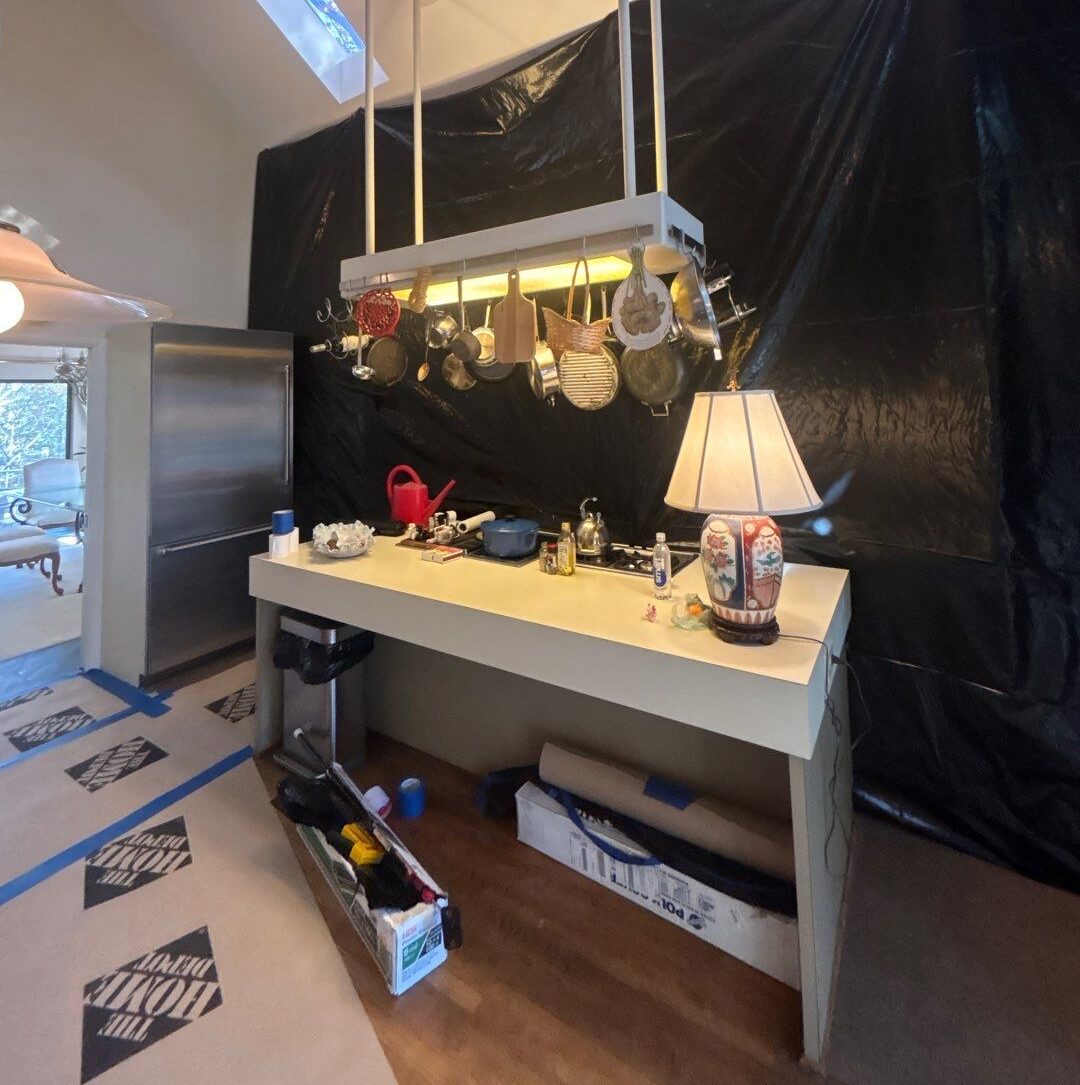
When Atlanta homeowners search for information about the mold remediation process, they are often dealing with more than just minor concerns.
They are facing stress, uncertainty, and sometimes serious health issues.
This case study highlights how Rescue Restoration approached a complex, three-source water intrusion case with structured, professional mold remediation services designed to fully restore a home affected by mold contamination and water damage.
The Background: Three Water Sources, One Vulnerable Home
This residential mold remediation project involved a homeowner who had unknowingly been living with multiple moisture issues for years.
1. Kitchen Planter Leak
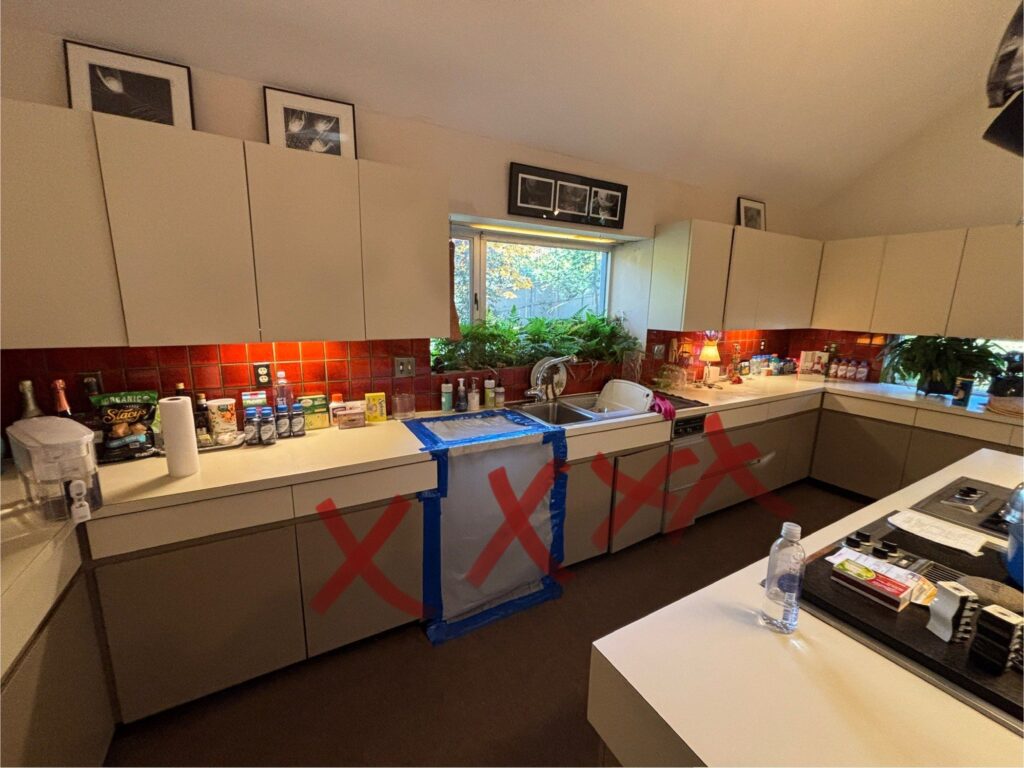
A large planter behind the kitchen sink slowly leaked water into the cabinetry. Because the homeowner regularly watered her plants, moisture continued to feed hidden water damage and mold growth behind cabinets and within structural components.
To make matters more frustrating, a previous contractor had inspected the kitchen years earlier. However, the moisture source was never fully corrected. As a result, mold growth continued unchecked.
2. Dining Room Planter Leak
A second planter in the dining room caused a separate water intrusion issue. Over time, mold grew in the dining room.
3. Basement Drainage Failure
In the basement, a gutter downspout lacked a splash block or extension, a simple but critical component that should direct water 4 to 6 feet away from the foundation.
Instead, water flowed directly into the foundation wall beneath a basement window, leading to water damage and mold growth in a finished living area.
Health Concerns Increased the Urgency
This case required special care because the homeowner was undergoing cancer treatment. Individuals with compromised immune systems can be more susceptible to severe health risks associated with mold exposure.
Additional concerns included:
- The kitchen was adjacent to a bedroom, meaning regular exposure to airborne spores.
- The homeowner’s daughter and baby lived in the finished basement.
- Mold contamination had spread into high-traffic living spaces.
For Rescue Restoration, this elevated the importance of a precise and accountable mold remediation process.
Step 1: Multi-Point Inspection
Proper mold remediation begins with a detailed multi-point inspection. Rescue Restoration does not rely on a single testing method.
Our inspection included:
- Visual assessment of all affected rooms
- Moisture mapping and readings
- Evaluation of cabinetry and structural components
- Air quality testing performed with a licensed hygienist
- Identification of exterior drainage failures
During inspection:
- Visible mold was found throughout the interior of the kitchen cabinets.
- Air testing in the dining room showed elevated mold levels, whereas the kitchen air test did not.
This contrast reinforced the importance of using multiple inspection tools. Relying on a single method could have led to missed diagnosis. A multi-point inspection ensures no affected area is overlooked.
Step 2: Containment and Preparation
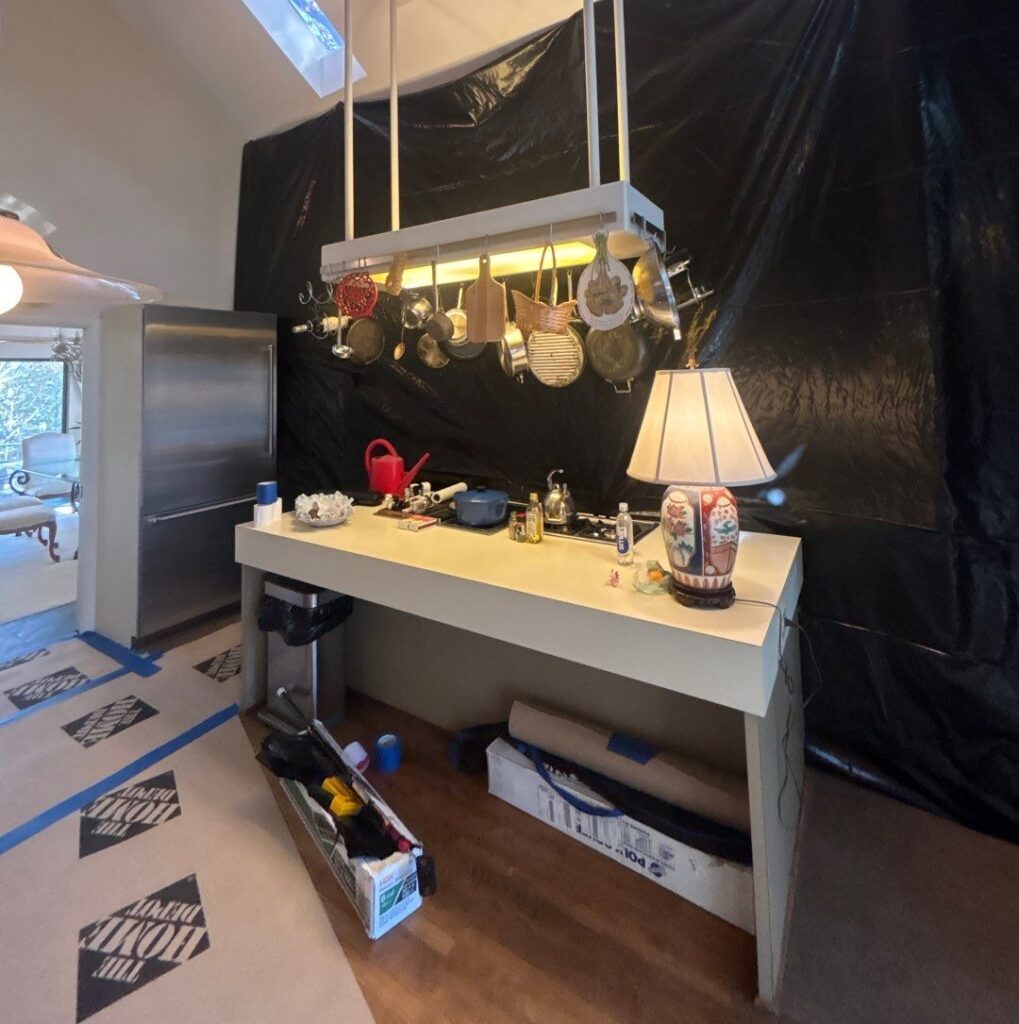
Before beginning remediation, the affected areas were properly contained to prevent cross-contamination into unaffected parts of the home.
Containment measures included:
- Sealing work areas
- Controlling airflow
- Protecting adjacent living spaces
Containment is a critical step in the mold remediation process. Without it, spores can spread during demolition or cleaning.
Step 3: Kitchen Mold Remediation
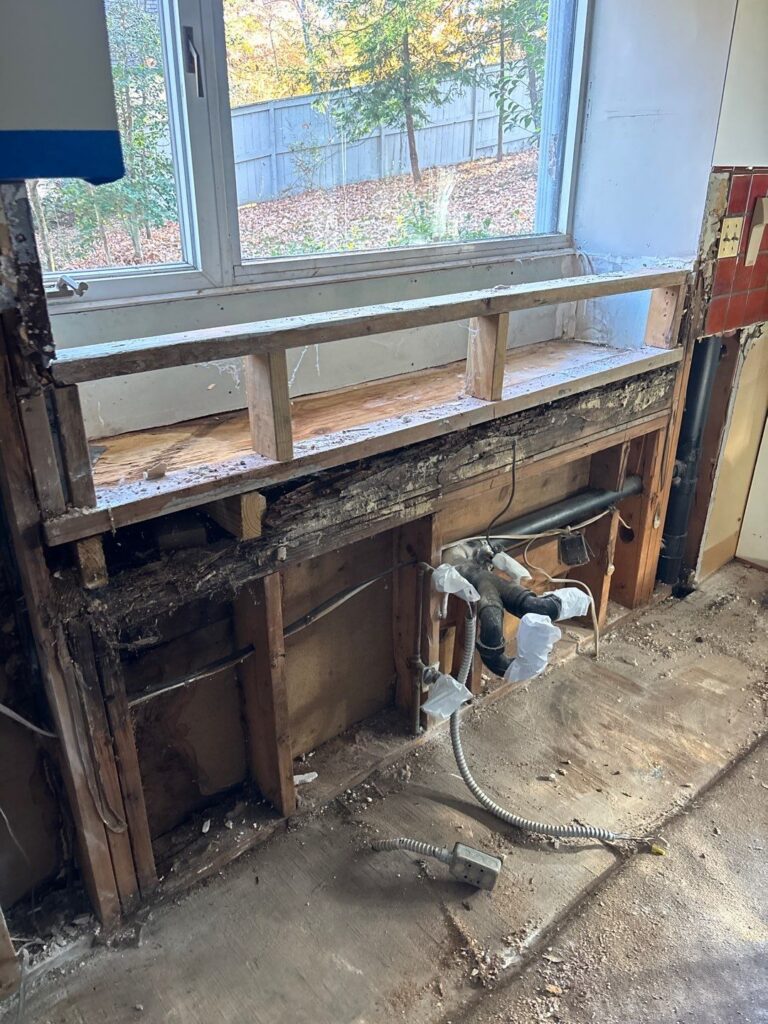
The kitchen required extensive intervention. This portion of the project demonstrates how thorough kitchen mold remediation must go beyond surface cleaning.
Work included:
- Removing countertops
- Demolishing damaged cabinetry
- Discarding contaminated materials
- Scrubbing and cleaning structural framing
- Applying antimicrobial treatments
Our application and understanding of IICRC and MICRO mold remediation protocols helps the team remediate mold on framing, substructures, and building materials, not just visible surfaces.
This knowledge ensures the mold remediation process addresses hidden damage that could otherwise lead to recurrence.
Step 4: Dining Room Remediation
The dining room presented unique architectural challenges:
- Ceilings reaching 18 to 20 feet
- Contemporary design with multiple openings
- Air pathways connecting to the upper floors
High ceilings and modern design features can make residential mold remediation more complex, requiring careful planning and execution. Scaffolding was brought in to access high surfaces. Every nook and opening was meticulously cleaned and treated.
Step 5: Basement Mold Remediation
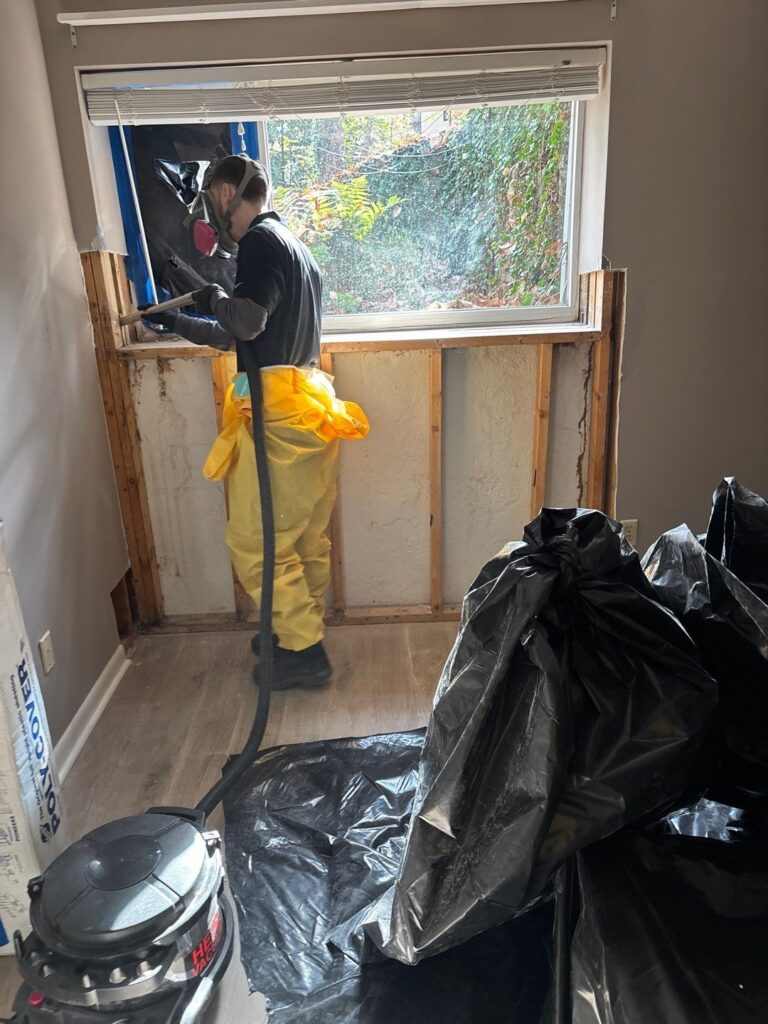
The finished basement required detailed basement mold remediation due to prolonged moisture exposure from improper exterior drainage.
The process included:
- Removal of water-damaged materials
- Thorough cleaning and antimicrobial treatment
- Addressing the drainage issue at the downspout
- Ensuring foundation moisture was properly dried
Correcting the source of moisture is a non-negotiable part of the water damage mitigation and mold remediation process. Without fixing the water intrusion, mold can return even after cleaning.
Step 6: Cleaning, Scrubbing, and Structural Treatment
In all three areas, framing and structural elements were:
- Physically scrubbed
- HEPA vacuumed
- Treated with professional-grade antimicrobial solutions
The entire project took approximately one week. Each room required a slightly different approach, but all followed the same structured mold remediation process.
Step 7: Clearance Testing and Verification
At both the beginning and completion of the project, Rescue Restoration worked alongside a licensed hygienist for third-party air testing.
Final clearance testing confirmed:
- Mold levels returned to normal.
- Contamination had been effectively removed.
- Work met IICRC standards.
Independent verification adds accountability and provides homeowners with documentation for peace of mind and insurance purposes.
The Outcome
For this family, the outcome was significant:
- The homeowner could rest knowing she was no longer breathing contaminated air.
- The basement living area was safe for her daughter and baby.
- The long-standing kitchen issue was finally resolved correctly.
- All moisture sources were identified and corrected.
This case reflects what professional residential mold remediation should look like:
- Detailed multi-point inspection
- Source correction
- Proper containment
- Removal of damaged materials
- Structural cleaning and antimicrobial treatment
- Independent clearance testing
Why the Mold Remediation Process Matters
Not all contractors approach mold the same way. Some may focus only on visible growth or rely on a single testing method. Structured mold remediation ensures:
- Hidden contamination is discovered.
- Moisture sources are corrected.
- Structural components are properly treated.
- Homeowners receive documented verification.
Rescue Restoration takes a white-glove approach, with hands-on oversight and an emphasis on educating the homeowner throughout the process. Every project is handled with professionalism, thoroughness, and accountability.
Need Residential Mold Remediation in Atlanta, GA?
If you suspect mold in your kitchen, basement, crawl space, or other areas of your home, early action is critical, especially when health concerns are involved.
Rescue Restoration provides comprehensive mold remediation, water restoration, and crawl space repair services for Atlanta homeowners.
Speak with an Expert today.
Contact us online or call Rescue Restoration to schedule your consultation and learn more about our thorough mold remediation process.