Atlanta's #1 Property Restoration Company
The Rundown:
- A mold prevention inspection identifies hidden moisture and mold problems before they cause serious health or structural issues.
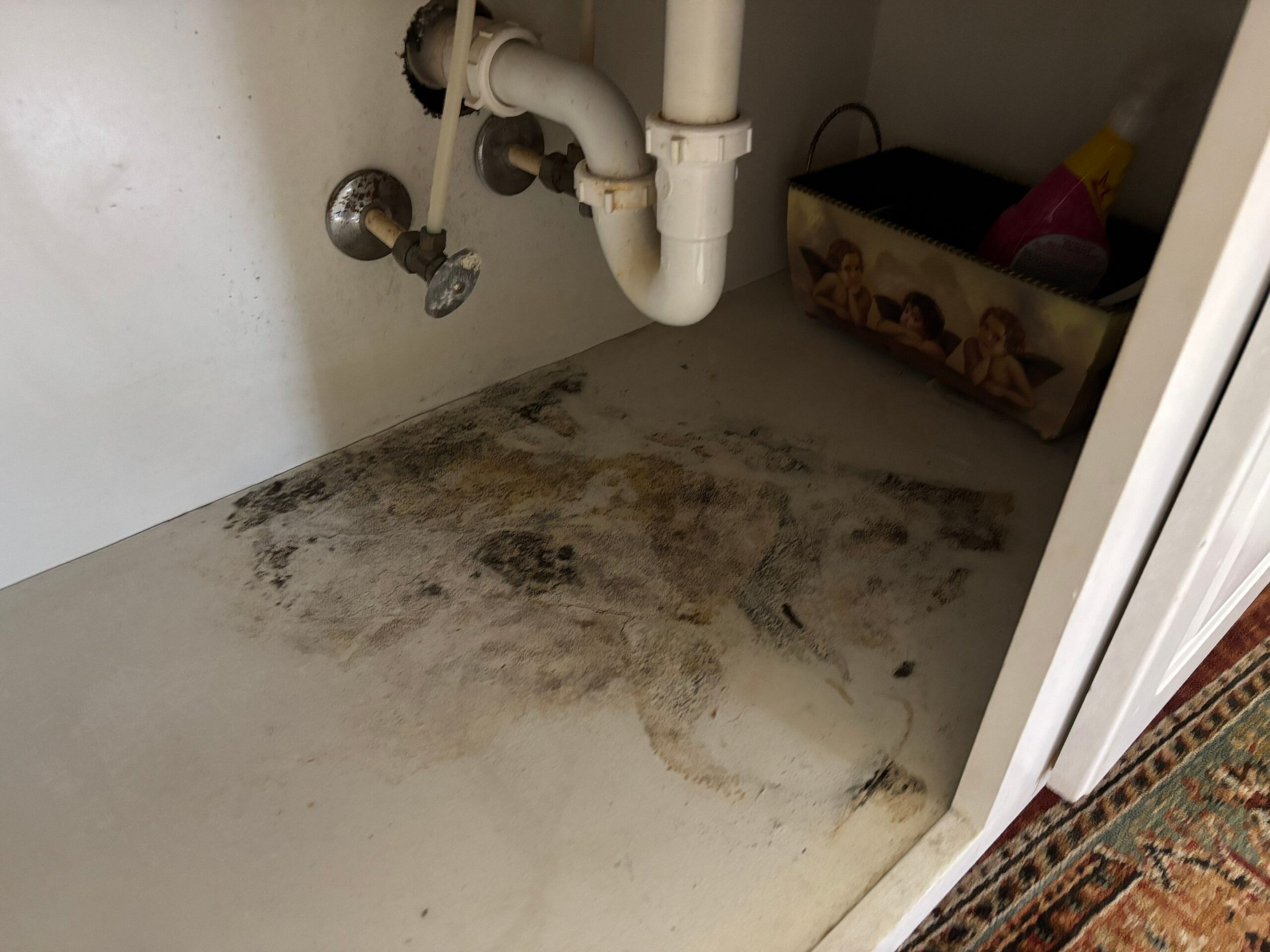
- Mold can develop in as little as 24 to 48 hours after initial exposure from leaks, high humidity, sudden floods, or other indoor water issues. Atlanta’s humid climate creates conditions to increase moisture in the home, increasing the likelihood of mold spores traveling through crawl spaces and into other concealed areas of a home.
- Early mold detection and prevention can save homeowners thousands of dollars by controlling moisture issues and identifying microbial growth before it spreads.
- IICRC-certified firms and MICRO-certified mold inspectors follow established best practices, employ properly paid and trained technicians, and are held accountable to recognized standards of excellence.
- Homeowners with a history of water damage, crawl space problems, aging plumbing components, or elevated humidity should prioritize scheduling mold-prevention inspection services as soon as possible.
Mold doesn’t always announce its presence. It develops in persistently damp conditions, hiding behind walls, beneath floors, and inside crawl spaces until the damage becomes unavoidable and expensive to address. A mold prevention inspection is an effective tool for Atlanta homeowners to identify these conditions before water damage and mold growth spreads.
Rescue Restoration offers professional mold-prevention inspection services designed to give homeowners a clear, accurate picture of what is happening inside their homes. As an IICRC-certified firm, Rescue Restoration delivers thorough, expert-led assessments.
What Is a Mold Prevention Inspection?
A mold prevention inspection is a professional assessment focused on identifying conditions that enable mold growth. This includes checking for signs of moisture intrusion, hidden leaks, elevated humidity, and visible or concealed microbial growth throughout a home.
Unlike a general home inspection, a targeted mold inspection zeroes in on the specific conditions mold needs to thrive and spread. The goal is to find areas of concern while they are still manageable, before they develop into larger issues requiring costly intervention.
What a Mold Inspection Covers
During a Rescue Restoration mold prevention inspection, trained professionals apply a range of tools, tests, and techniques, including:
- Visual assessments of visible water damage and mold growth on walls, ceilings, and surfaces
- Moisture tests of humidity levels in the air, around walls, on floors, and in crawl spaces
- Indoor air quality samples indicating elevated mold spore concentration
- Examinations of HVAC systems and ductwork that may harbor mold growth
- Assessments of plumbing prone to leaks and condensation
- Basement and crawl space inspections with drainage, seepage, or humidity concerns
When an assessment reveals issues, Rescue Restoration’s mold remediation services are available to address the problem at its source.
Why Mold Prevention Inspections Are Necessary for Atlanta Homeowners
Atlanta’s warm, humid climate combined with common leaks, intrusion issues, or flooding create conditions for mold growth throughout the year. Elevated humidity levels, persistent leaks, or exterior vulnerabilities mean that even minor moisture intrusion can quickly escalate into a mold problem if left undetected.
Many Atlanta homeowners don’t realize mold is present until it visibly affects surfaces, creates damp smells, or begins impacting indoor air quality. By that point, remediation is likely to be far more involved and far more expensive than early prevention would have been.
The Real Cost of Skipping Mold Prevention
Mold remediation costs can range from a few hundred to thousands dollars depending on the extent of contamination. A local mold inspection for prevention identifies problems and offers solutions, giving homeowners the tools and knowledge to make informed decisions.
Rescue Restoration’s team has guided Atlanta homeowners through mold issues at every stage of the process. Their consistent finding is that early mold detection and preventative maintenance are key to supporting a healthy home environment and preventing costly secondary damages.
Early Mold Detection and Prevention: Why Timing Matters
Mold spores are present in virtually every environment. They become a problem when three conditions are present: moisture, an organic food source, and oxygen. Catching the moisture source early is the foundation of effective mold prevention.
Early mold detection and prevention start with knowing where a home is most vulnerable. High-risk areas commonly identified during a Rescue Restoration inspection include:
- Basements and crawl spaces with poor drainage, exposed dirt floors, or foundation issues
- Bathrooms and kitchens vulnerable to leaks and backups
- Attics with roof issues and damaged insulation
- Window and door frames with compromised seals
- Areas surrounding water heaters, HVAC equipment, and plumbing connections
The Health Risks of Delayed Detection
Mold exposure has been linked to respiratory symptoms, persistent allergic reactions, and, in more serious cases, health effects associated with mycotoxins produced by certain mold species. High concentrations of mold spores can circulate in the air and affect home occupants even when there are no visible signs of growth.
Scheduling a mold-prevention inspection is a proactive step that protects not only a home’s structure but also the health of everyone living in it.
Who Needs a Local Mold Inspection?
Professional mold prevention inspection services are not reserved for homeowners who already suspect they have a mold problem. Many inspections uncover issues that have no visible warning signs.
Homeowners Who Have Experienced Water Damage
Water damage is one of the most common contributors to mold growth. If a home has experienced flooding, a burst pipe, or a slow leak that wasn’t addressed within 24 to 48 hours, the conditions for mold are very likely already in place.
A mold-prevention inspection after any water loss event confirms whether remediation is needed before the problem spreads further. Rescue Restoration’s expertise in water restoration services gives their mold inspection team a unique understanding of how to identify source moisture issues and respond effectively after a water event.
Homes With Older Construction or Aging Plumbing
Older homes are frequently susceptible to mold due to aging building materials, cast iron or polybutylene pipes, outdated insulation, and less effective moisture barriers. A local mold inspection for prevention is especially valuable in these situations, as it identifies structural vulnerabilities that are not visible to the untrained eye.
Rescue Restoration’s expertise allows its team to inspect not just surface-level mold but also the home’s underlying components, giving Atlanta homeowners a complete picture of their risk exposure.
What Rescue Restoration’s Mold Prevention Inspection Services Include
Rescue Restoration approaches every mold prevention inspection with the same IICRC-certified professionalism, care and thoroughness it applies to its remediation work. The inspection process is designed to be actionable and educational, not simply a standard checklist.
An Evidence-Based Approach
Rescue Restoration will never recommend remediation without a body of evidence based on science and accountability. Visual assessments, moisture meters, infrared cameras, visual assessments, and third-party air tests provide the homeowner with a full understanding and report of the conditions in the home. Our goal is never to sell a service that isn’t needed, but rather to take every step necessary to assess the situation and protect our clients.
Education Is Part of the Inspection
There is a significant amount of misinformation about mold remediation, and Rescue Restoration takes the time to explain every finding clearly to each homeowner. Clients leave their mold inspection knowing exactly what was found, what it means for their home, and what options are available to them.
This commitment to clear communication and homeowner education is a defining characteristic of Rescue Restoration’s approach. Unlike some competitors that deliver a report and move on, Rescue Restoration guides clients through every finding and supports fully informed decision-making.
Remediation Planning After the Inspection
If a mold prevention inspection reveals issues, and those findings are verified, Rescue Restoration presents a detailed remediation plan rooted in IICRC protocols and hygienist recommendations. Their mold remediation services target both the mold itself and the underlying moisture conditions that allowed it to develop.
Protecting Your Home’s Long-Term Value
Untreated water damage and mold causes significant structural damage over time. Rotting wood, damaged drywall, and compromised insulation are all potential outcomes of prolonged mold exposure. Routine local mold inspections help preserve both the structural integrity and the long-term market value of a home.
For Atlanta homeowners with homeowners insurance, water damage documentation from a mold prevention inspection may also play an important role when filing a claim. Certain insurance claims tied to water damage or mold require evidence of the homeowner’s maintenance history.
Schedule Your Mold Prevention Inspection with Rescue Restoration
Acting early is the most effective strategy for mold. A mold prevention inspection from Rescue Restoration gives Atlanta homeowners the information they need to stay ahead of potential problems before they become serious.
Rescue Restoration proudly serves residential homeowners throughout the Atlanta, Georgia area. Ready to protect your home? Contact Rescue Restoration today to schedule an appointment with their expert team.
