Atlanta's #1 Property Restoration Company
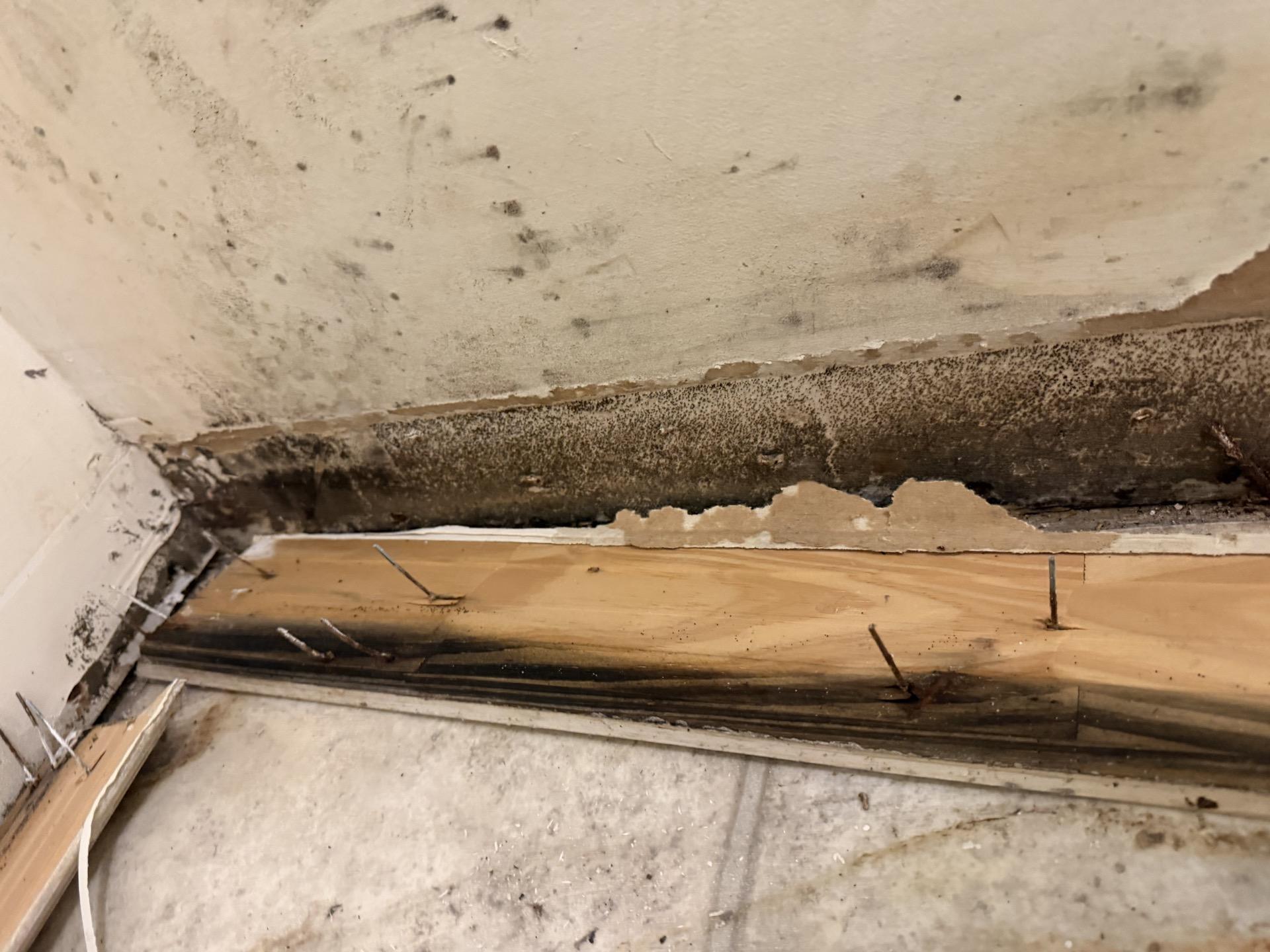
Why Is DIY Mold Cleanup Risky After Water Damage?
Effective mold removal involves more than cleaning visible spots. Professional remediation should involve specialists who identify and address the moisture source, safely manage affected materials, contain impacted areas, and properly clean and dry surfaces.
At Rescue Restoration, our targeted remediation approach addresses both the conditions that contributed to the problem and the active microbial growth. This helps ensure the issue is properly addressed rather than simply treating what is visible.
Is It Safe to Remove Mold Yourself after Water Damage?
DIY mold removal is not recommended. While EPA guidelines suggest that property owners can clean mold-affected hard, nonporous surfaces with detergent and water, most mold issues require professional remediation.
Is it safe to remove mold yourself after water damage? Mold exposure can pose greater health concerns for people with allergies, asthma, COPD, underlying lung disease, or weakened immune systems. Self-remediation can disturb surface mold and cause cross-contamination elsewhere in the home.
Most importantly, cleaning visible mold without addressing the moisture source will not solve the problem. Simply wiping away a stain does not resolve the underlying conditions that caused the mold.
What PPE is Needed for Mold Cleanup after Water Damage?
Mold cleanup can release spores and other particles into the air, so appropriate personal protective equipment (PPE) is important even during smaller cleanup projects. The CDC recommends, at a minimum, a NIOSH-approved N95 respirator, protective gloves, and goggles that provide complete eye protection.
Basic protection typically includes:
- An N95 respirator or greater respiratory protection appropriate to the work
- Protective gloves
- Goggles without open ventilation
- Clothing that covers exposed skin
- Waterproof footwear when wet conditions are present
As a general rule, professionals recommend assessment, appropriate containment, and respiratory protection whenever mold is discovered after water damage. Visible growth may not reflect the full extent of the problem, and disturbing contaminated materials can release mold particles into the air or spread contamination to unaffected areas.
Can DIY Mold Removal Make Mold Spores Spread?
Yes, improper cleanup can disturb mold and contaminated materials. Tearing out wet drywall, aggressively scrubbing porous materials, or using fans on visible microbial growth can disturb and aerosolize mold spores, potentially spreading contamination to other areas of the property.
Using standard household fans to “dry” an area with suspected mold growth will stir up mold and move it around the space. The EPA cautions against operating an HVAC system when it is known or suspected to be contaminated with mold because the system can distribute contaminants throughout the building.
To help control the spread of airborne particles and surface contamination, Rescue Restoration uses physical containment barriers, specialized air scrubbers, negative pressure, and HEPA filtration as appropriate to the project. These practices follow an IICRC S520-guided approach that outlines best practices for containment, material removal, air and surface cleaning, drying, and verification.
How Much Mold is Safe to Clean Yourself?
Cleaning mold yourself after water damage may seem straightforward, but important safety considerations remain. Scrubbing, removing drywall, or moving air around an affected area can send mold spores into the air and increase exposure to potential health issues. Without proper respiratory protection and containment, those particles may also spread to other areas of the home. Visible mold may not reflect the full extent of the problem. Moisture can remain hidden behind walls, beneath flooring, or inside other building materials, allowing microbial growth to continue out of sight. Identifying these conditions is an important part of safely determining how to address the problem.
For these reasons, professionals generally recommend assessment and remediation when mold is suspected after water damage. Rescue Restoration uses appropriate containment, HEPA filtration, air management, and safe material-removal practices to help protect occupants and workers while controlling the affected area. Professional remediation is about more than removing visible mold. It involves assessing the extent of contamination, controlling exposure, protecting unaffected areas, safely handling affected materials, and addressing the moisture conditions that contributed to the problem.
Mold Cleanup After a Plumbing Leak Inside Walls
Mold cleanup after a plumbing leak inside walls shows why visible damage doesn’t always tell the whole story. A ruptured supply line or slow drain leak can saturate insulation and structural framing long before stains appear on the wall. Over time, hidden moisture behind walls, beneath floors, inside ceilings, and within furnishings can create conditions for mold growth. Simply scrubbing visible spots from painted surfaces leaves the moisture, damp insulation, and potentially contaminated wall cavities untouched. This is exactly why mold fogging companies are a scam.
A professional assessment using moisture meters, infrared cameras, and visual inspection can help identify the extent of the problem and guide the restoration response. Once technicians identify the affected areas, they can address the underlying water damage and mold growth using IICRC principles and practices. Rescue Restoration’s Atlanta mold remediation case study offers a closer look at how professional evaluation and remediation can address contamination that goes far beyond what’s visible on the surface.
Latest Mold Remediation Standards after Water Damage in 2026
As of 2026, the current published standard for professional mold remediation is the ANSI/IICRC S520: 2024 Fourth Edition. The standard covers the principles and procedures of professional mold remediation, including safety and health, inspection and preliminary determination, structural remediation, HVAC and contents remediation, and post-remediation verification. ANSI/IICRC S500: 2021 Fifth Edition addresses water damage restoration separately, covering inspection, safety, water damage assessment, drying technology, structural restoration, HVAC, and contents. The S500 consensus body has begun work on a revision, but the 2021 Fifth Edition remains the current published edition. That means homeowners searching for the latest mold remediation standards after water damage in 2026 should not expect to find a newly issued “2026 S520.” The 2024 Fourth Edition remains the current published S520 standard. Understanding which editions are actually current can help property owners ask better questions and evaluate whether a restoration contractor is working from recognized, up-to-date industry standards.
Know When a Small Cleanup Has Become a Restoration Problem
DIY mold cleanup may seem like a simple solution, but it can be hard to know what you are dealing with until a professional assesses the affected area. Mold can extend beyond what is visible, and disturbing contaminated materials can release spores into the air or spread contamination to otherwise unaffected areas. For these reasons, professionals generally recommend assessment and remediation rather than attempting to clean mold yourself. Rescue Restoration evaluates both visible growth and potential hidden moisture to determine the source, extent, and materials affected. Our certified specialists then develop an appropriate remediation plan that addresses the underlying moisture conditions and the visible contamination. Contact Rescue Restoration to schedule an assessment.
