Atlanta's #1 Property Restoration Company
Key Takeaways
- Mold can start to grow as soon as 24-72 hours after a water loss
- Failure to dry out water damage encourages hidden mold growth
- Professional mold inspection detects hidden mold you may miss
- DIY mold removal lacks the equipment and expertise to remediate mold effectively
Your Brookhaven home may look dry. However, leaks or other water intrusions may go undetected, while creating the conditions for mold. That kind of unseen moisture can spread throughout your living areas. Mold growth behind walls, in crawl spaces and attics, or around HVAC ductwork gradually erodes structures and triggers health reactions.
Many homeowners overlook these subtle signs until symptoms appear or damage becomes apparent. In this post, Rescue Restoration shares common places where mold hides after water damage, explains how a mold inspection works, and reveals when mold remediation services are necessary.
Why Hidden Mold After Water Damage Is a Critical Issue in Brookhaven, Georgia
Georgia ranks among the top 10 locations for residential mold growth. Heavy rainfall and humid conditions, alongside other more general issues that trigger mold growth, create a particularly challenging environment for homeowners in Brookhaven and across Metro Atlanta.
Mold often grows when homeowners or contractors fail to dry out a property after a water loss. Floods, plumbing and HVAC backups, cracked or detached pipes, and attic leaks are all common drivers of this type of problem and contamination. The places mold hides extend beyond visible surfaces, making it more difficult for homeowners to detect and address.
Learning how to find hidden mold is just the beginning. Complete remediation requires professional services trained to locate, identify, and treat water damage and mold.
Once mold becomes airborne, spores can spread and compromise other areas away from the original site of growth. Rescue Restoration provides water damage services that address these circumstances and help prevent further damage in your home.
The 7 Most Common Hidden Mold Locations After Water Damage
1. Behind Drywall and Wall Cavities
A small roof drip or a slow plumbing leak can damage ceilings and interior walls before stains appear. Moisture trapped inside these enclosed spaces fuels mold growth.
Homeowners may have trouble detecting hidden damage without professional help. Combining knowledge of the places mold hides after water damage and understanding the conditions that drive mold growth can help you respond effectively.
2. Under Flooring and Subflooring
Dark stains, warped or cupped hardwood, or spongy, damp textures on carpets often indicate trapped moisture beneath the surface. Organic materials, such as wood and padding, provide the perfect environment for hidden mold formations. A thorough mold inspection will help reveal areas of damage and ensure remediation is targeted efficiently.
3. Inside HVAC Systems and Ductwork
Air moving through a home can do more than regulate temperature. It also spreads mold and moisture left behind a condensate drain line backup. Once spores take hold inside metal passages or around ductwork, the constant flow of air can circulate them from room to room.
These areas are common places where mold hides. When this happens professional mold remediation services are necessary for safe removal.
4. Behind Kitchen and Bathroom Fixtures
A faint musty smell or discoloration near sinks or tubs often signals more than surface grime. Undetected leaks in these spaces dampen wood, drywall, and cabinet bases, creating an environment where mold grows out of sight.
Surface wiping with household cleaning products will not remove mold embedded in these enclosed areas. A full range of drying and mold remediation services are required to return kitchens and bathrooms to pre-loss conditions.
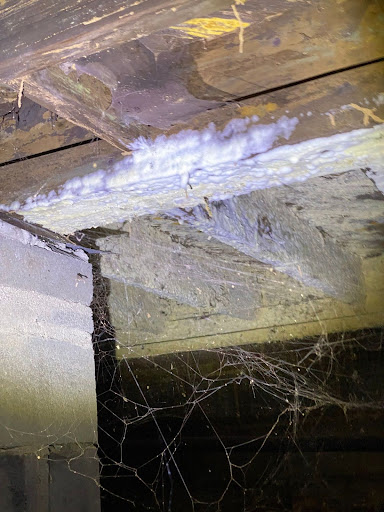
5. In Crawl Spaces and Basements
Heavy moisture trapped below a home will not dry out on its own, leaving wooden supports and insulation vulnerable to water damage. If left untreated, damage can slowly erode the strength of supports, joists, and subfloors.
It is common for flooding, leaks, and seepage to go undetected in crawl spaces. These conditions make lower levels prime places where mold hides and hidden mold persists. To address recurring issues, basement waterproofing, vapor barriers, and sump pumps help regulate excess moisture.
6. Inside Wall-to-Wall Carpeting and Padding
Organic materials are susceptible to water absorption and mold contamination. Padding acts like a sponge after flooding or leaks, absorbing moisture. It traps moisture against subflooring, allowing colonies to develop unseen.
Whether flooring is salvageable or requires complete removal depends on the situation. Common places mold hides after water damage include these concealed layers. Remember, contamination spreads rapidly through porous materials that remain saturated for days.
7. Around Windows and Door Frames
Poor seals, gutter issues, and gaps in frames and doors enable water to easily enter your home. Warped trim, discoloration, and wood rot are common signs of water intrusion.
Brookhaven mold remediation services use moisture detection equipment, infrared cameras, and professional air test services to locate water and mold damage. Air quality and structural integrity remain vulnerable without the guidance of experienced mold specialists.
Warning Signs You Need a Professional Mold Inspection in Brookhaven
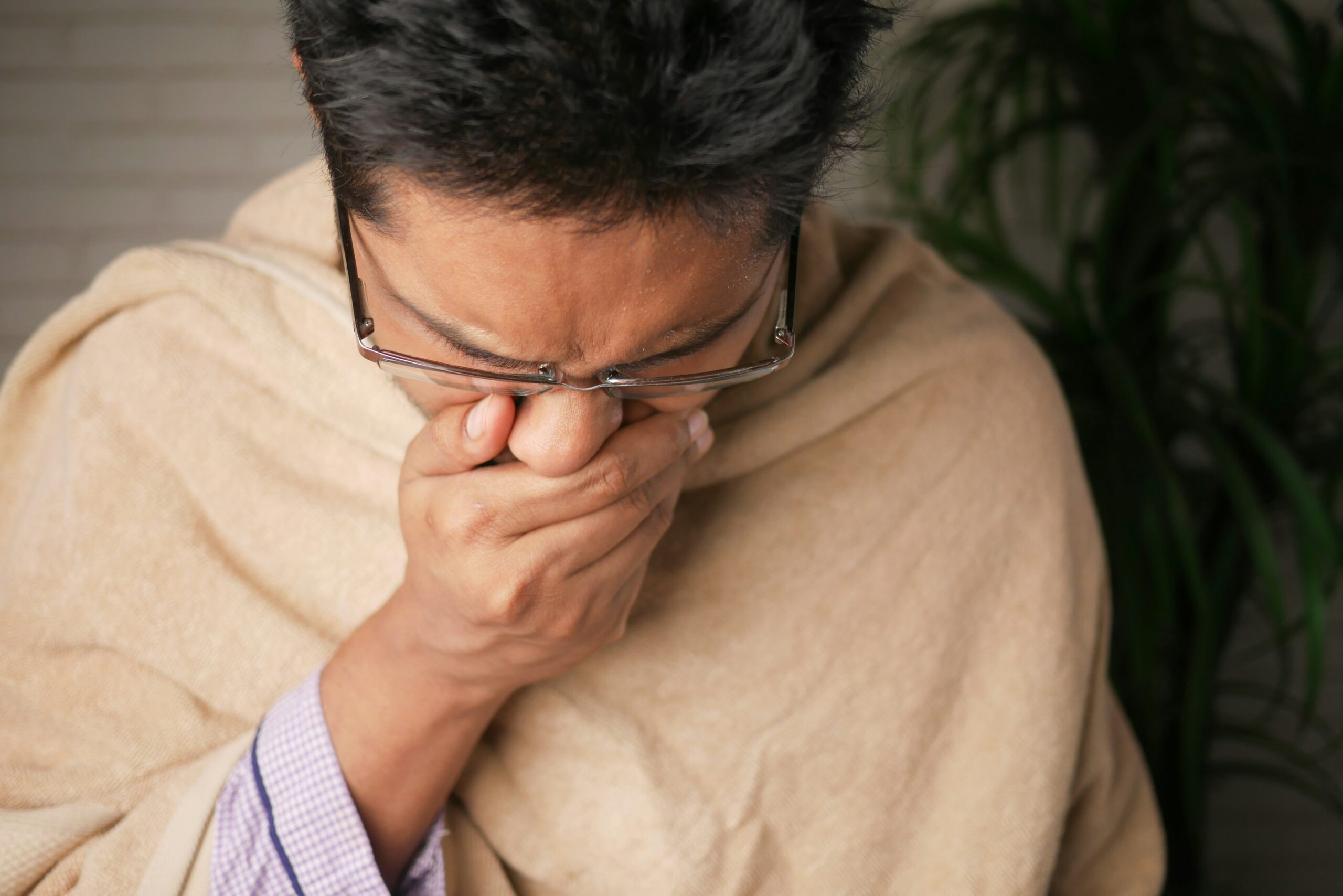
Musty odors that persist despite cleaning often indicate growth in concealed areas. It is recommended to call a professional if health symptoms are present alongside these common indicators.
Previous moisture events create ongoing risks even after surfaces appear dry. Call a professional specializing in water damage restoration to ensure complete drying.
Learning how to find hidden mold can help homeowners respond effectively. Remain diligent to detect minor problems. Extensive repair bills and family health are at stake.
Why DIY Mold Detection Fails in Brookhaven Homes
Many homeowners and contractors lack the knowledge, training, and skills to remediate mold.
To locate and repair issues in places mold hides after water damage, you need certified restoration professionals.
Expert Tip: Insurance carriers frequently reject claims when mold forms after homeowners fail to dry out their home. Rescue Restoration has helped many Georgia residents restore their homes and navigate the claims process.
Our certified specialists are highly trained to restore homes affected by water, mold, and crawl space damage.
Contact Rescue Restoration Today for Comprehensive Mold Inspection & Removal
Finding common places mold hides requires advanced technology and certified expertise. Rescue Restoration’s IICRC-certified technicians utilize many different tools from infrared cameras to dehumidifiers to detect contamination that standard methods may overlook.
Now that you understand how to find hidden mold, let us take care of the heavy lifting. We provide consistent communication during the insurance claims process while protecting your family home and property value.
Contact Rescue Restoration today for an immediate assessment and complete remediation.
