Atlanta's #1 Property Restoration Company

Your home’s air quality isn’t determined solely by what happens in your living spaces. In reality, unseen conditions beneath your subfloor directly impact the air your family breathes every day. A damp crawl space can harbor mold, attract pests, and let musty odors and airborne contaminants migrate into occupied rooms. Professional crawl space repair can address excess moisture, remove microbial growth, and protect your home’s health.
The Rundown
- Crawl space moisture, mold, pests, and air leakage can affect air quality in living spaces.
- Targeted crawl space repairs can involve drainage and grading improvements, mold remediation, vapor barrier installation, air sealing, and dedicated dehumidification.
- Encapsulation provides a more comprehensive moisture-control solution.
Does a Damp Crawl Space Affect Air Quality Inside the Home?
Yes. Even though floors and subflooring divide your living quarters from the space below, these construction boundaries are rarely airtight. Damp or contaminated air can move through gaps around plumbing, electrical penetrations, ductwork, and other openings.
Through the stack effect, warm air rising out of your living space creates a vacuum that pulls damp crawl space air up into your home. In a damp crawl space, this movement can introduce air contaminants associated with mold growth, dust, and pest activity. Homeowners may notice:
- Musty odors near floors or vents
- Uncomfortable, sticky indoor humidity levels
- Condensation on windows or surfaces
- Unexplained cupping in wood floors or drywall damage
- Mold growth around floorboards or baseboards. These symptoms don’t always originate in the crawl space, but they warrant further investigation.
A physical crawl space inspection, along with indoor air quality testing, helps pinpoint hidden sources of airborne contamination.
How Crawl Space Moisture Contributes to Mold and Musty Odors
Crawl spaces can accumulate moisture through exposed soil, foundation cracks, plumbing leaks, condensation, and poor exterior drainage. When left unmanaged, moisture on floor joists, fiberglass insulation, and structural timber creates ideal conditions for mold growth.
Mold can release spores into the air, and damp, moldy materials can produce persistent musty odors. These foul smells drift through structural gaps into main living areas, often signaling hidden dampness long before visible issues are spotted. The U.S. Environmental Protection Agency (EPA) emphasizes that controlling moisture is essential to preventing mold growth.
Certified mold remediation targets active microbial growth while helping identify and address the root moisture sources fueling the issue. Without correcting the underlying problem, mold may return even after you remove visible growth.
Do Crawl Space Pests Affect Indoor Air Quality?
Rodents, cockroaches, and other pests can harm indoor air quality when they establish themselves beneath a home. Invasive pest droppings, dander, nesting material, and urine deposits break down into fine particles that contaminate household air.
These contaminants may enter living spaces through openings around floors, pipes, or ductwork. High relative humidity and dark, damp corners make untreated crawl spaces particularly enticing to pest colonies.
Repairing openings, removing moisture sources, and addressing damaged materials can help discourage infestations. If vermin are already present, complete recovery requires professional pest control alongside the safe disposal of soiled insulation and debris.
How Can Crawl Space Repairs Help Reduce Mold and Allergens?
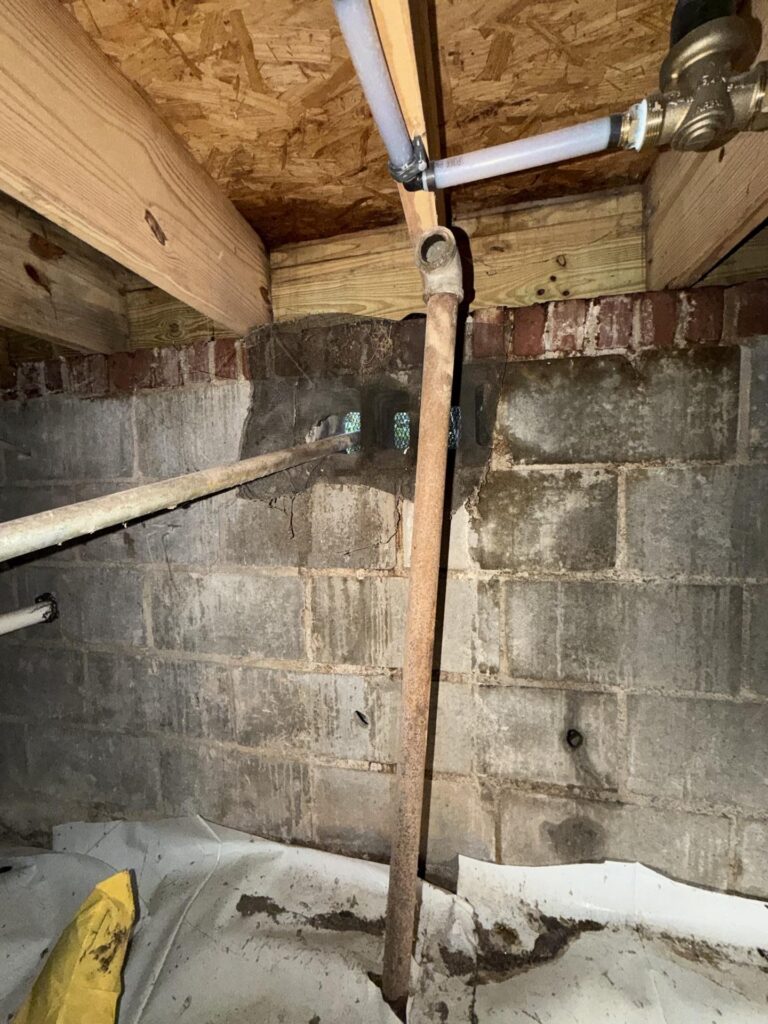
The right repairs depend on the moisture source, the extent of contamination, and the crawl space’s construction. Several solutions can work together to reduce conditions that contribute to poor indoor air quality.
1. Drainage and Water Intrusion Repairs
Drainage and grading improvements, sump pumps, and gutter improvements can help prevent water from collecting beneath the home and around the foundation. Eliminating standing pools is a non-negotiable step because vapor barriers and air scrubbers cannot counteract ongoing ground flooding.
2. Vapor Barrier Installation
A vapor barrier limits water vapor from exposed soil from rising into the crawl space. When installed correctly over dirt floors, high-density sheeting blocks ground dampness from soaking subfloor joists and insulation.
3. Mold Remediation and Material Replacement
Contaminated insulation, deteriorating wood, and other affected materials require careful evaluation. Proper remediation protocols require physical containment zones, HEPA air filtration, careful removal of damaged materials, antimicrobial cleaning, and structural replacement of unsalvageable wood.
4. Air Sealing and Pest Exclusion
Sealing gaps around plumbing penetrations, floor openings, and accessible ductwork can reduce pathways for crawl space air and contaminants to enter occupied areas. Patching foundation vents and structural crevices also blocks mice, insects, and outside humidity from coming back in.
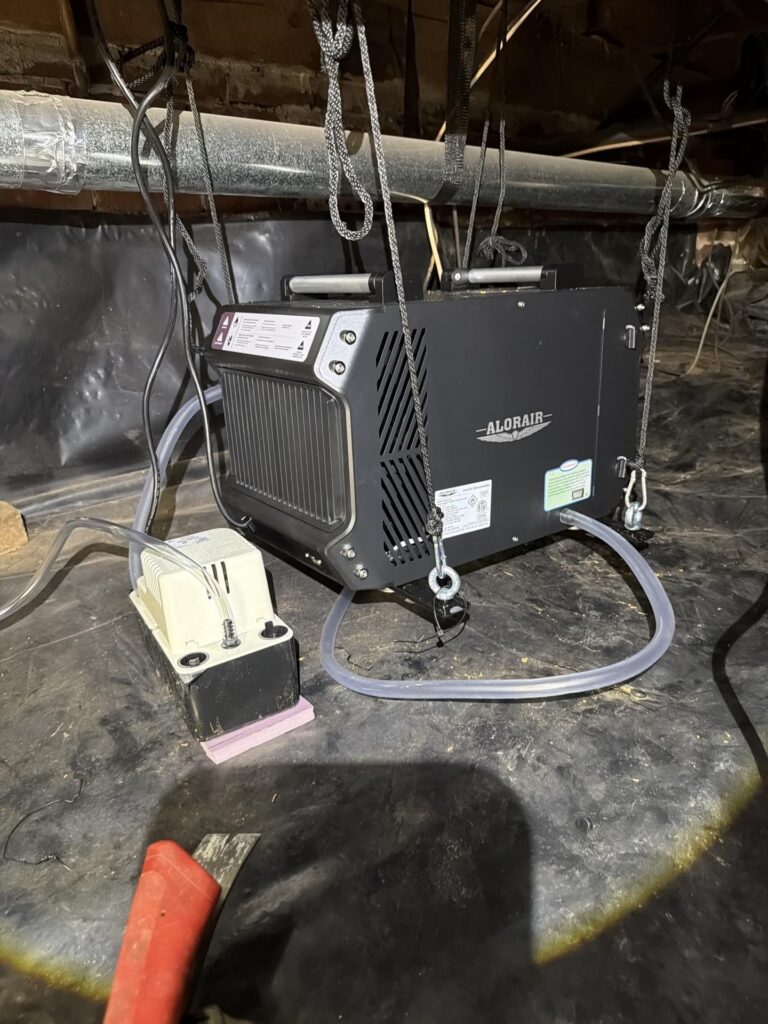
5. Crawl Space Dehumidification
Dehumidifiers help control moisture levels, especially in enclosed crawl spaces. These heavy-duty units work best alongside other practices, such as vapor barriers and foundation repairs.
Together, these repairs can help keep the crawl space drier and reduce the likelihood of mold.
Crawl space repair covers a broad range of solutions to address specific problems, including drainage failures, damaged insulation, structural deterioration, and mold contamination. Crawl space encapsulation provides additional general control of relative humidity.
Encapsulation generally involves installing a durable vapor barrier across the ground and foundation walls, sealing appropriate openings, and managing humidity through conditioning or dehumidification. This complete structural seal isolates the home from damp soil and outdoor humidity.
However, encapsulation doesn’t automatically resolve standing water, existing microbial growth, or structural damage. Restoration experts should fully mitigate any active leaks, repair decayed floor joists, or remediate mold growth before installing a full encapsulation liner.
Crawl Space Ventilation, Sealing, and Dehumidification Options
Proper ventilation is important, but opening crawl space vents isn’t always the best way to control moisture. In humid regional climates, letting warm, wet summer air through open foundation vents can increase condensation on cooler subfloor materials.
Sealed or conditioned crawl spaces may offer better moisture control when designed correctly. However, closing vents without dehumidification and vapor barrier control can cause moisture buildup and high humidity.
The appropriate solution depends on the particular issues affecting your crawl space. Rescue Restoration evaluates every detail before recommending the appropriate moisture control systems.
What Does Current EPA Guidance Say About Crawl Space Moisture and Mold?
The EPA’s guidance on biological contaminants and indoor air quality emphasizes eliminating moisture sources and reducing conditions that encourage microbial growth. Its recommendations include:
- Fixing leaks and water intrusion promptly
- Thoroughly drying out wet building materials within 24 to 48 hours to prevent microbial growth
- Keeping indoor relative humidity below 60%, ideally between 30% and 50%
- Safely discarding porous items that cannot be completely sanitized and dried
- Using appropriate ventilation and moisture-control measures. These recommendations reinforce the importance of correcting crawl space moisture problems, not just cleaning visible damage.
Address Crawl Space Problems Before They Affect Your Home
Crawl space repair for musty smells inside the house starts with identifying the source of moisture, mold, and odors. Rescue Restoration conducts detailed diagnostics to inspect water leaks, microbial growth, and elevated relative humidity.
Our services include drainage improvements, vapor barriers, crawl space encapsulation, dehumidifier installation, mold remediation, and structural repairs. By fixing structural vulnerabilities below ground, we safeguard your indoor air quality and protect your home’s long-term value.
Concerned about musty odors or excessive crawl space moisture? Contact Rescue Restoration to schedule an appointment and discuss the appropriate next steps for your home.
