Atlanta's #1 Property Restoration Company
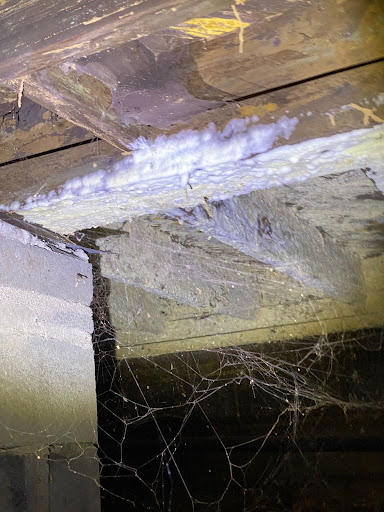
- Excess moisture can create ideal conditions for mold growth and structural decay.
- Crawl space humidity breeds wood rot, attracts pests, and pollutes indoor air.
- Soil erosion and structural movement result from drainage issues.
- Early detection can save thousands in restoration costs.
Whenever heavy rain soaks your yard, moisture can creep beneath your home. Water always follows the path of least resistance, and the crawl space is a prime target for water intrusion.
Once inside, untreated water damage will elevate humidity, making materials in your crawl space vulnerable to mold, decay, and rot. Floor joists can be affected by wet and mold. Standing water can attract pests. Wood softens, insulation fails, materials absorb water, and before long, you’re facing home water damage due to drainage problems and other long-term moisture issues. And here’s the real danger. Mold can begin to grow within the first 72 hours.
Catching issues early is the only way to stop this cascade of problems. Consider the following to understand the impact of drainage issues and why it is important to mitigate other water-related problems in your crawl space.
1. Typical Drainage Challenges in Crawl Space Areas
Beneath your home, soaked soil can create water vapor in the air that threatens floor systems. Stagnant water increases humidity in your crawl space, pushing moisture upward into cracks and openings in your subfloor. Obstructed gutters or downspouts are one of the many underlying causes.
When this occurs, water accumulates near the foundation and funnels runoff into the soil. A poor slope around a house can also cause drainage issues. It encourages water to stay put, instead of draining away from the foundation.
Next, these rising humidity levels can foster mold development, wood deterioration, and compromised structural supports. If the floor joists are wet, it can speed up rot and decay. Mold, on the other hand, will eat away much slower.
2. Foundation Damage from Poor Water Flow
Hairline cracks may seem harmless, but they provide an entry point for seepage. Hidden soil shifts and trapped moisture create unseen stress. Drainage issues put further pressure on these supports. Concrete and masonry eventually begin to fail over time with consistent water and drainage exposure. This strain can gradually open minor fractures and intrusion points.
Each allows more seepage and accelerates conditions for decay. The pressure behind these movements often comes from soil saturation and hydrostatic buildup around the perimeter. Once the ground becomes heavy with moisture, its force pushes laterally with astonishing strength.
Common triggers include:
- Hydrostatic pressure that expands against concrete and forces cracks to widen.
- Erosion that washes away compacted soil beneath slabs, causing uneven settling.
- Clay soils in Georgia expand during wet seasons and contract during drought.
Even minor misalignment in a footing can affect walls and floors above. Uneven surfaces or sticky doors are clear indications. Proper foundation drain installation helps control soil moisture while relieving subsurface pressure.
If you identify any issues in your concrete, contact a comprehensive water mitigation service now. Structural shifts will cost far more to correct later.
3. Moisture and Mold: The Direct Connection
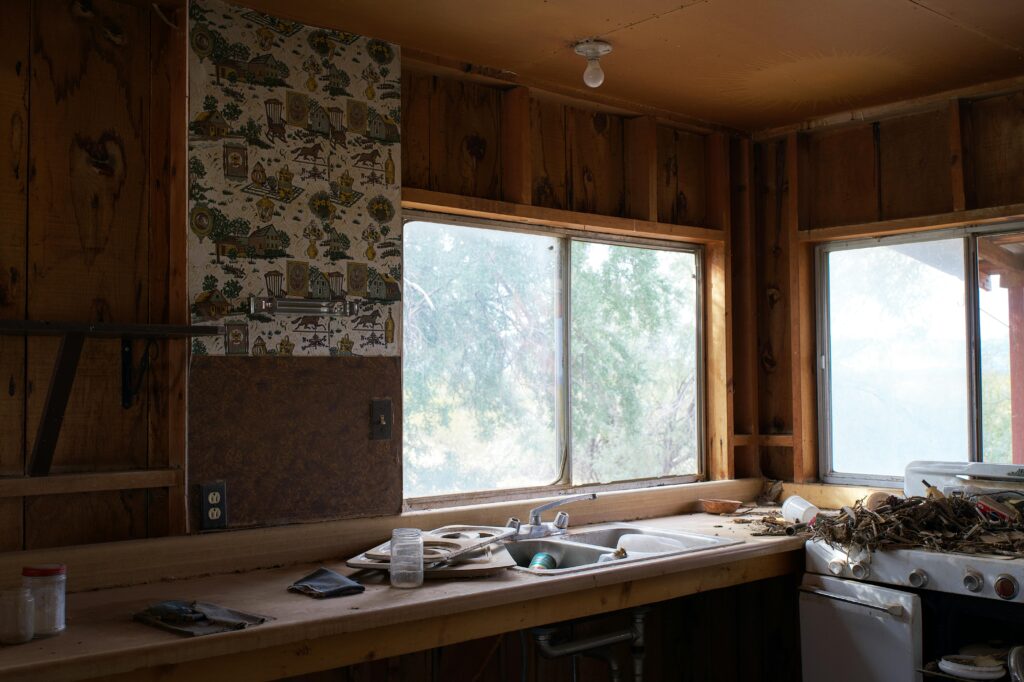
The musty odors you smell in the crawl space is a warning sign that you have wet building materials or damp soil. In this humid environment, mold will seek out a food source such as wood and insulation. With these two elements in place, along with oxygen, mold can begin to grow.
If conditions remain damp and dark, this process rarely stays contained. Next, due to the stack effect, moisture and mold spores can travel upward into the living areas of the house. Mold, caused by drainage issues, compromises both building materials and health.
When mold spores become airborne, they land on and weaken subflooring, beams, and joists. Some molds are also known to produce health symptoms in occupants. Inhabitants may develop respiratory problems, allergies, and other health conditions due to declining air quality.
Contamination requires immediate attention. Contact professional mold remediation services to remove this safely while restoring a healthy air balance. At Rescue Restoration, we follow IICRC and MICRO-Certified Standards to remediate mold and correct the source of water damage. It is important to take action early to bring in a company to reduce the risk of extensive repair costs and secondary damages.
4. Ongoing Moisture Problems and Their Structural Impact
Water damage affects load-bearing beams and foundation piers, threatening significant structural failure. Once mold forms, it can trigger additional long-term decay.
The forces that weaken homes are present long before visible cracks or sagging floors appear. Warped floorboards signal that something serious has begun. Other signs of structural damage include sloping floors, hairline cracks in drywall, sagging ceilings, and misaligned doors.
Metal fasteners rust, insulation sags, and floorboards warp, making the home feel uneven and unstable. Eventually, doors stick and gaps appear around windows. Walls may shift ever so slightly. These problems caused by drainage issues, mold, and excessive moisture may seem cosmetic, but they can have serious consequences for your home’s stability.
Without proper crawl space drainage, moisture lingers after every storm. It feeds decay and attracts pests that worsen the cycle. Repairs at that point go far beyond simple fixes. They require structural reinforcement, material replacement, and often the services of crawl space repair specialists.
5. Warning Signs of Home Water Damage and Mold
Discoloration, strange smells, or peeling paint also tell a story. Each may indicate you have a hidden problem. Small details matter.
Recognizing these subtle changes early can help homeowners.
Common indicators include:
- Persistent musty or earthy odors signal microbial growth
- Warped floors or dark stains along baseboards
- A white powdery residue is forming on the concrete walls
- Excess condensation on windows or metal surfaces
- Increased pest activity in damp, enclosed spaces
It is important to remember that even if you fix 95% of the problem, water damage will still create issues. It must be dried completely.
Each of these signs can trace back to drainage issues and other water-related damage in your home, including leaks and sewage backups. Once those clues appear, make sure you have trusted water damage restoration experts on standby to identify the source and correct the problem.
Skilled technicians will restore affected materials and prevent further deterioration. Skip this, and costly repairs become unavoidable.
6. Why DIY Fixes Rarely Work
Many Georgia homeowners reach for quick solutions the moment they notice moisture creeping in. A tube of sealant or a patch of gravel makes sense. Yes, it feels productive. Yet those surface fixes only hide what’s happening underneath. The problem often runs deeper than what’s visible.
Without proper testing, unseen leaks, shifting soil, or rising groundwater continue to spread beneath the surface. Misguided attempts also tend to reroute runoff toward new problem spots. That makes drainage issues even worse. Short drain extensions or temporary barriers cannot handle the volume.
Heavy Georgia rains leave moisture trapped where it doesn’t belong. Non-professional materials are affordable. However, they fail fast and may violate building codes. Rely on them, and you can expect costly corrections later. Once hidden damage sets in, it can quickly escalate.
Mold due to drainage issues and other serious concerns demands expert help. Only trained technicians with diagnostic tools and emergency water damage response expertise can identify and mitigate the source. Industrial-grade equipment and experience deliver effective fixes that protect property values.
7. Professional Solutions That Stop Water and Mold at the Source
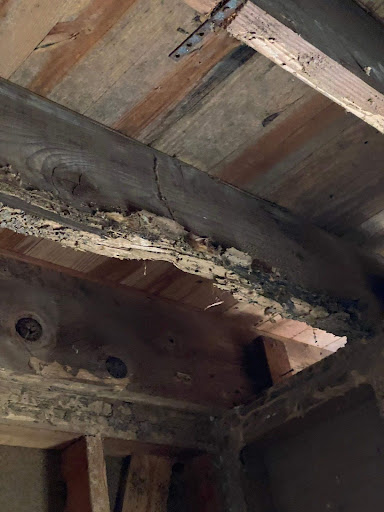
Some homeowners think a sump pump alone keeps a crawl space dry, but that’s rarely the case. Certified restoration professionals look beyond the obvious puddles and stagnant water. We uncover deeper drainage issues with detailed moisture mapping and thermal imaging to reveal hidden entry points.
At Rescue Restoration, we also customize crawl space drainage systems and replace damaged pier, beam, and rim joists. Other common crawl space solutions include French drains, vapor barriers, and precise grading corrections.
Following IICRC industry standards, experts can also restore air quality by remediating mold and preventing contamination from spreading throughout the home. Structural reinforcements often follow. The process strengthens weakened areas that are damaged over time.
Each measure works together to build a stronger support system against moisture intrusion for the rest of your house. The goal of crawl space restoration is to ensure the water and mold damage is mitigated, structures are stable, and further damage to living areas is avoided.
8. Continual Maintenance Plan for Long-Term Prevention
Homeowners often underestimate how fast crawl spaces can change. Neglect leads to costly damage. What starts as mild dampness can quickly undermine a foundation. Crawl space maintenance matters as much as the initial foundation drain installation.
Keep the following things in mind to monitor your crawl space:
- Regrading soil to divert surface runoff
- Cleaning gutters and downspouts to prevent overflow
- Inspecting encapsulation barriers for rips or gaps
- Testing drainage systems for blockages
- Reviewing humidity levels with digital monitors
Each task keeps moisture under control while extending the life of structural components. Over time, this routine helps you respond more effectively to drainage issues, hidden decay, wood rot, and uneven floors. A little consistency today supports your home’s stability and value for years to come.
9. The Difference Professional Insight Makes for Georgia Homeowners
Small shifts beneath a home can signal much larger trouble. Clay-heavy soil, poor grading, and aging drainage systems often combine to create persistent foundation stress. Specialists who understand crawl spaces know how to read these subtle signs before they lead to home water damage.
Rescue Restoration’s expertise goes beyond surface fixes. We focus instead on root causes like subsurface runoff and pressure buildup. Advanced diagnostics, from infrared mapping to moisture meters, pinpoint where drainage issues begin.
As certified restoration professionals, each technician applies proven methods that restore balance, prevent additional damage, and support the structure long-term. With experience shaped by local conditions, our process keeps homes stronger, drier, and more stable year after year.
Contact Rescue Restoration Today to Eliminate Mold Due to Drainage Issues
Moisture problems rarely stay contained, and once drainage issues begin, they quietly threaten everything from air quality to structural strength. Regardless of your initial assessment, immediate action can stop that cycle before it worsens.
At Rescue Restoration, we offer 24/7 emergency restoration. Call today for fast, dependable service across the Atlanta area.
